Saltwater Resistance: Choosing the Right FAKRO Roof Windows for Coastal Properties in Great Britain
Living close to the sea changes the way you think about your roof. A window that would have an easy life a few miles inland may spend the winter exposed to salt-laden winds, driving rain and prolonged periods of damp air. Cornwall has plenty of exposed coastal locations, as do parts of Scotland and other areas of the United Kingdom. Choosing saltwater-resistant roof windows is therefore about more than finding a product with a specific coastal feature. It means considering the entire specification, from the frame and seals to the flashings, fixings and installation.
Why Do Coastal Properties Place Extra Demands on Roof Windows?
A house does not have to sit directly on the beach to feel the effects of the sea. An exposed headland or a roof facing the prevailing wind can make a significant difference.
For coastal roof windows, the frame, seals, flashings and fixings all play an important role. On particularly exposed sites, windows facing the sea may be subjected to repeated cycles of rain, salt exposure and drying. For example, a south-westerly-facing roof on an exposed headland can experience very different conditions from the same window installed in a sheltered courtyard.
Understanding Salt Spray, Corrosion and Wind Exposure
Salt spray is not always visible. Fine particles can travel through the air and settle on glazing, finishes and metal components. When moisture is present, unsuitable materials or poorly protected components can deteriorate more quickly.
This is where corrosion resistance becomes important. A chipped finish, an inadequately protected fixing or an area where water collects can become a weak point. Strong winds can also drive rain against joints and flashings, placing additional demands on the window and its installation.
FAKRO publishes performance figures including wind resistance class C5 and rain-tightness class 9A, alongside information about salt-spray testing, thermal shock and UV exposure. You can find more details in the FAKRO weathering test overview.
How Are FAKRO Roof Windows Tested and Built to Withstand Harsh Weather?
Effective drainage helps water run away from the window rather than collect around the sash, while the seals need to remain effective after repeated opening and closing. FAKRO also uses a triple-gasket system and drainage channels to help direct water away from vulnerable areas.
When comparing corrosion-resistant roof windows, check the declared performance of the specific model and make sure the installation system is suitable for your roof. Even strong test results cannot compensate for poor installation. On an exposed roof, getting these details right is particularly important when the first spell of severe weather arrives.
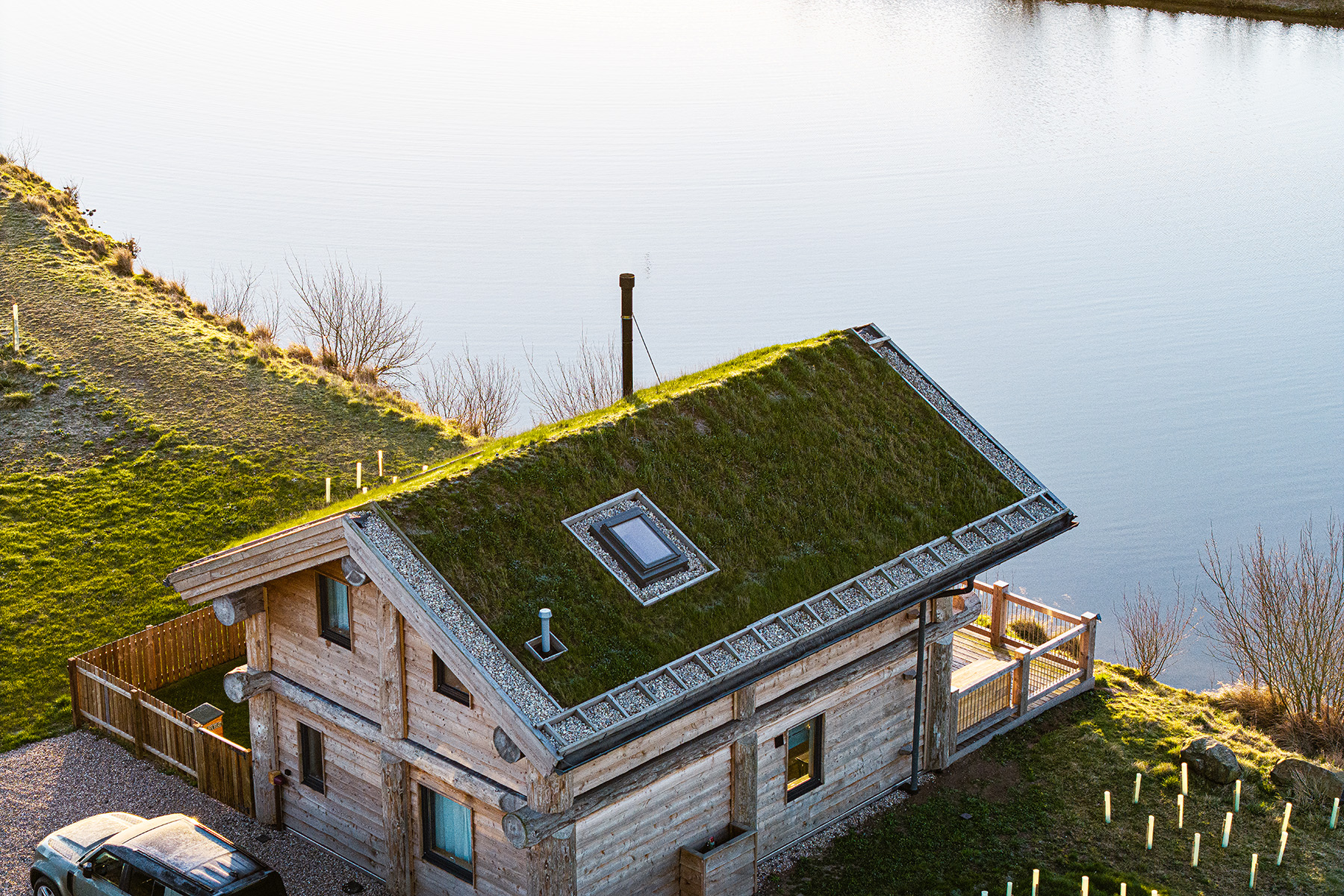
Choosing the Right Frame Material for Salt-Exposed Properties
There is no single frame material that is right for every coastal home. Timber can still be an excellent choice, particularly where it complements a traditional interior, provided its finish is properly maintained. Where moisture levels are higher or a lower-maintenance option is preferred, uPVC may be more suitable.
Selected FAKRO models feature multi-chamber uPVC profiles with internal reinforcement. The material is non-absorbent, making it a practical option for bathrooms, kitchens and other attic rooms where indoor humidity is already a consideration, even before external weather conditions are taken into account.
Explore the available options in the FAKRO uPVC roof window range.
For roof window projects in Cornwall, the best choice should be based on the property's specific needs and exposure, rather than its postcode alone.
Flashings, Fixings and Installation Details That Matter Near the Coast
The flashing kit must be compatible with both the roof covering and the window. Slate, flat tiles and profiled roof coverings require different solutions, so it is important to choose a system designed for the particular roof. You can explore the available options in the FAKRO roof window flashing range.
Fixings are easy to overlook because most are hidden once installation is complete. However, in coastal locations, it is worth checking whether the proposed components are suitable for the level of exposure. On particularly challenging sites, stainless steel fixings or another corrosion-resistant solution may be recommended, depending on the application.
Considerations for Period and Traditional Coastal Properties in Cornwall and Scotland
Coastal renovation projects often involve improving natural light and ventilation while preserving the character of an older property.
In Cornwall, for example, a cottage with a slate or tiled roof may require a window that complements its traditional appearance, rather than one that looks overly modern. In Scotland, slate roofs and traditional architectural styles are also common considerations. In both cases, the window should sit naturally within the roof and complement the existing building.
Older or protected properties may also be subject to planning restrictions. Before changing an existing opening or creating a new one, check the relevant local requirements. A window can meet all the necessary technical specifications but still look out of place if its size, position or finish does not suit the original roof.

Maintenance Tips for Roof Windows in Coastal Locations
Roof windows in coastal areas do not need complicated maintenance. Salt deposits, moss and other debris are easier to manage before they accumulate around moving parts or drainage channels.
A simple maintenance routine can help keep everything in good condition. There is no need to dismantle the window or turn routine care into a major task; most checks can be carried out while cleaning it.
-
Wash away accessible salt deposits and everyday dirt when needed.
-
Inspect the seals and gaskets while cleaning the window.
-
Check external finishes for scratches or damaged areas.
-
Remove leaves and moss that could trap water around the flashing.
-
After a severe storm, check the roof covering around the window opening.
-
Keep an eye on visible metal components, particularly on exposed elevations.
How often should you carry out these checks? It depends on the local coastal conditions and the property itself. Always follow the maintenance guidance provided for your specific product.
FAQs: Roof Windows for Coastal and Saltwater-Exposed Properties
Coastal properties often raise similar questions, but the answers depend on the building and its level of exposure. The following points provide a useful starting point when discussing roof windows for coastal homes with an installer.
Are uPVC roof windows better than timber for coastal homes?
Not necessarily. uPVC roof windows can be a good option where moisture resistance and lower maintenance are priorities. Timber may be better suited to the character of an older or traditional property. The key is to choose a product and maintenance plan that suit the building and its location.
How often should coastal roof windows be inspected or maintained?
There is no single inspection interval that suits every property. Check the window during routine cleaning and inspect it again after unusually severe weather. More frequent checks may be appropriate for particularly exposed homes. Pay particular attention to the seals, flashings, drainage channels and external finishes.
Do coastal properties need special flashings or fixings?
Sometimes. Start by choosing flashings that are suitable for the roof covering, pitch and window. On more exposed sites, it is also worth checking whether the metal components and fixings are designed to cope with regular exposure to salt-laden winds and heavy rain. These details are much easier to confirm before installation than to change afterwards.
Choosing the Right Roof Window for a Coastal Property
Choosing roof windows for a coastal home is all about matching the product and installation details to the conditions on site. Frame material, seals, flashings, fixings and installation quality all play a part in long-term performance.
By considering these factors from the outset, you can make a more informed choice and help ensure your roof windows are better equipped to cope with the challenges of coastal weather.