Natural Light and Its Benefits
Natural light is one of the fundamental factors influencing the way the human body functions. It affects biological rhythms, energy levels and our ability to concentrate. Exposure to daylight during the day supports activity and alertness, while its gradual reduction helps the body wind down. However, modern lifestyles mean we spend increasing amounts of time indoors, limiting our exposure to daylight. As a result, the body loses one of the important natural stimuli that helps regulate our daily functioning.
The benefits of daylight extend beyond physical health to everyday comfort and wellbeing. Its role is not limited to providing visibility; it also acts as a signal to the brain, influencing hormonal processes and physiological responses. Natural daylight helps regulate melatonin and cortisol levels, which can affect sleep quality and the body's ability to recover. A lack of daylight can disrupt these mechanisms and negatively affect wellbeing.
Light also plays an important role in cognitive function. Appropriate lighting conditions support brain activity, information processing and concentration. In environments with limited access to daylight, people may become distracted more easily. Natural light can also improve visual comfort by reducing eye strain. Its role therefore extends across both physical wellbeing and mental performance.
How Does Natural Light Affect Our Health?
The impact of daylight on the human body is complex and involves a range of biological processes. Natural sunlight helps synchronise the body's internal clock, which regulates the sleep-wake cycle. Regular exposure to light during the day supports stable energy levels, while a lack of daylight can contribute to difficulties falling asleep and feelings of fatigue. Disruptions to the circadian rhythm can therefore have a direct impact on everyday functioning.
Light also influences the nervous system and our emotions. Sunlight affects the production of serotonin, which plays a role in mood and feelings of wellbeing. Limited access to daylight may contribute to lower mood and increased susceptibility to stress, particularly during periods when the days are shorter. The body can respond with reduced energy and motivation.
Another important consideration is the relationship between light and immunity. Natural sunlight supports the synthesis of vitamin D, which plays an important role in the normal functioning of the immune system. A deficiency in vitamin D can affect the body's ability to function properly. Light also influences regenerative processes and overall physical condition, supporting the body's ability to adapt and recover.
Natural Light at Work and at Home
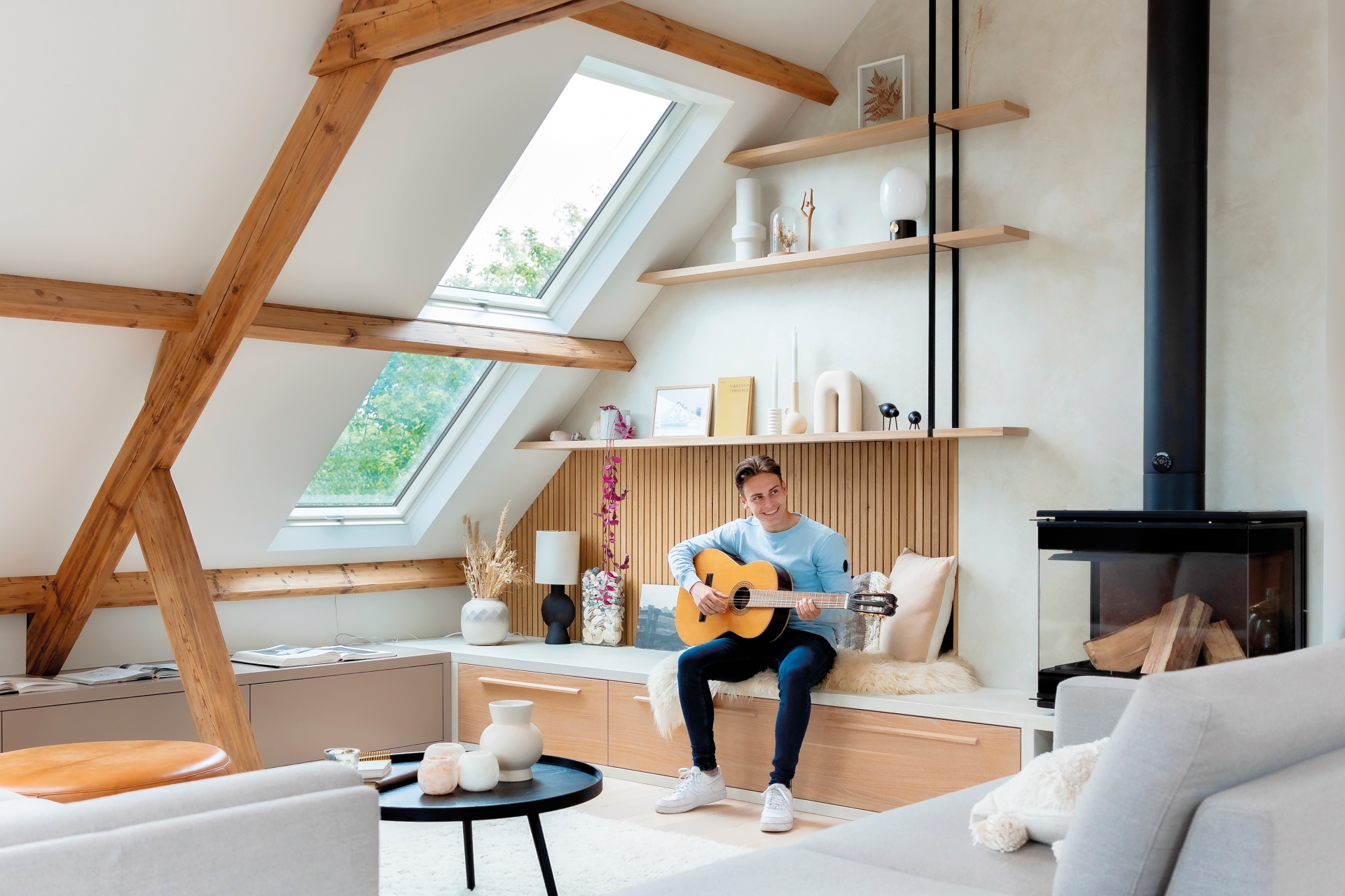
Lighting conditions can have a direct influence on how we function throughout the day. Natural daylight helps us remain alert and can reduce feelings of drowsiness. In spaces dominated by artificial lighting, we may become fatigued more quickly. Consistent access to daylight can help maintain more stable energy levels, making everyday tasks feel less demanding.
The importance of light is particularly evident in the workplace. Natural light can support accuracy when carrying out tasks and may help reduce the number of errors. Our vision does not need to continually adjust to artificial lighting, while improved visual comfort can influence our pace of work and ability to make decisions. Better lighting conditions can therefore contribute to higher-quality work.
At home, natural light helps establish the rhythm of our daily activities. Morning light stimulates the body, while its gradual reduction towards the evening supports relaxation. The absence of this natural cycle may contribute to disruptions in daily routines and, over time, affect wellbeing. The presence of natural light can help create a better balance between activity and rest.
Roof Windows and Increased Access to Natural Light
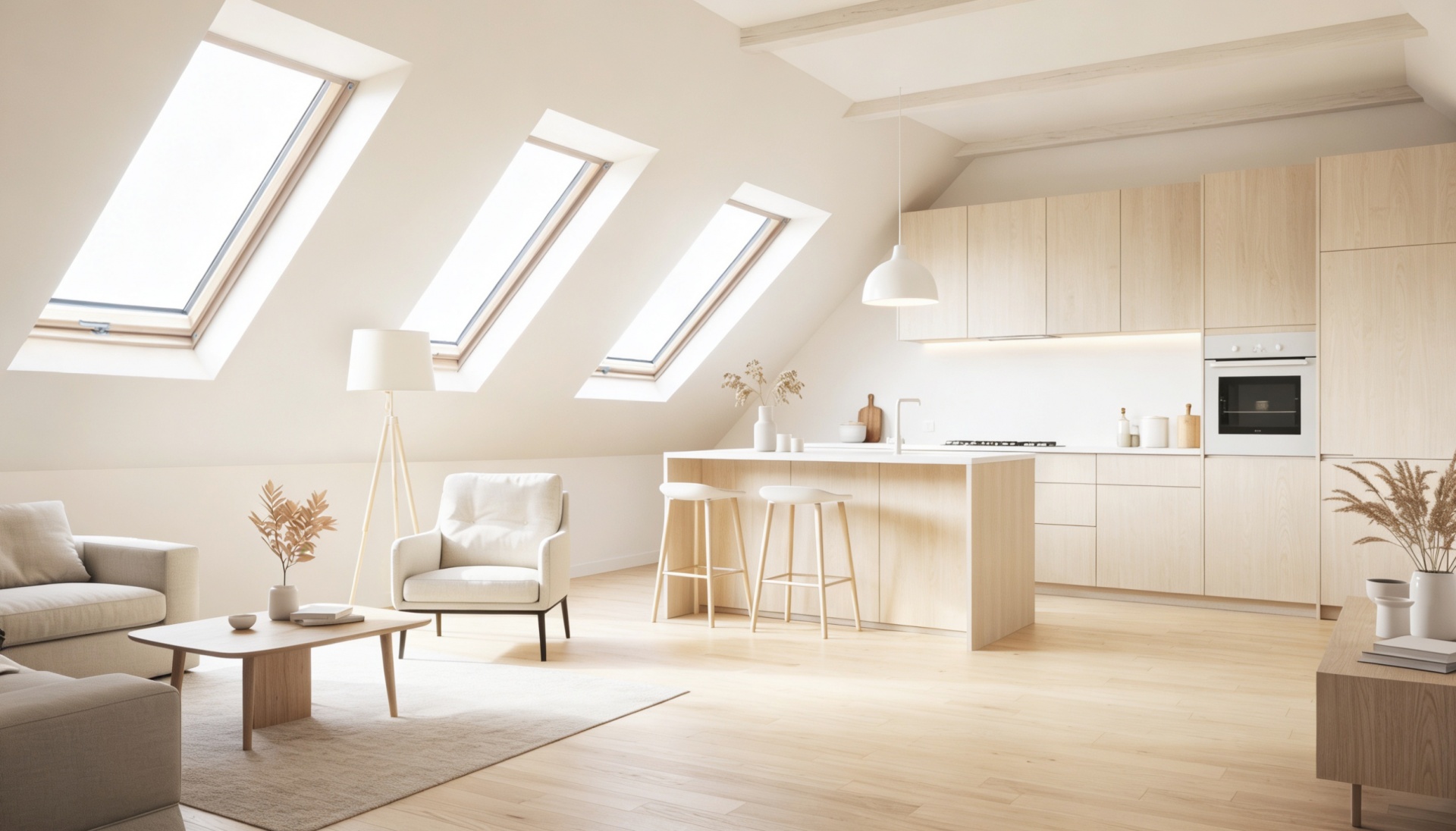
One way to improve access to daylight is by installing roof windows. Their characteristic position means they bring light into a room from above, changing the way it is distributed throughout the space. Natural light can reach deeper into the room and illuminate areas further away from external walls, helping to create a more evenly lit interior.
Light entering through a roof window can be particularly effective during the day because sunlight reaches the glazing at a different angle compared with vertical windows. Depending on the design and conditions of the space, this can allow more daylight to enter through the same area of glazing. In practice, this can help improve the overall lighting conditions within a room.
Greater access to daylight can also influence how functional a space feels. Bright, naturally lit rooms can feel more inviting and comfortable throughout the day. Natural daylight supports both work and relaxation, improving the experience of spending time in a room as well as its visual appeal.
Natural Light and Energy Savings
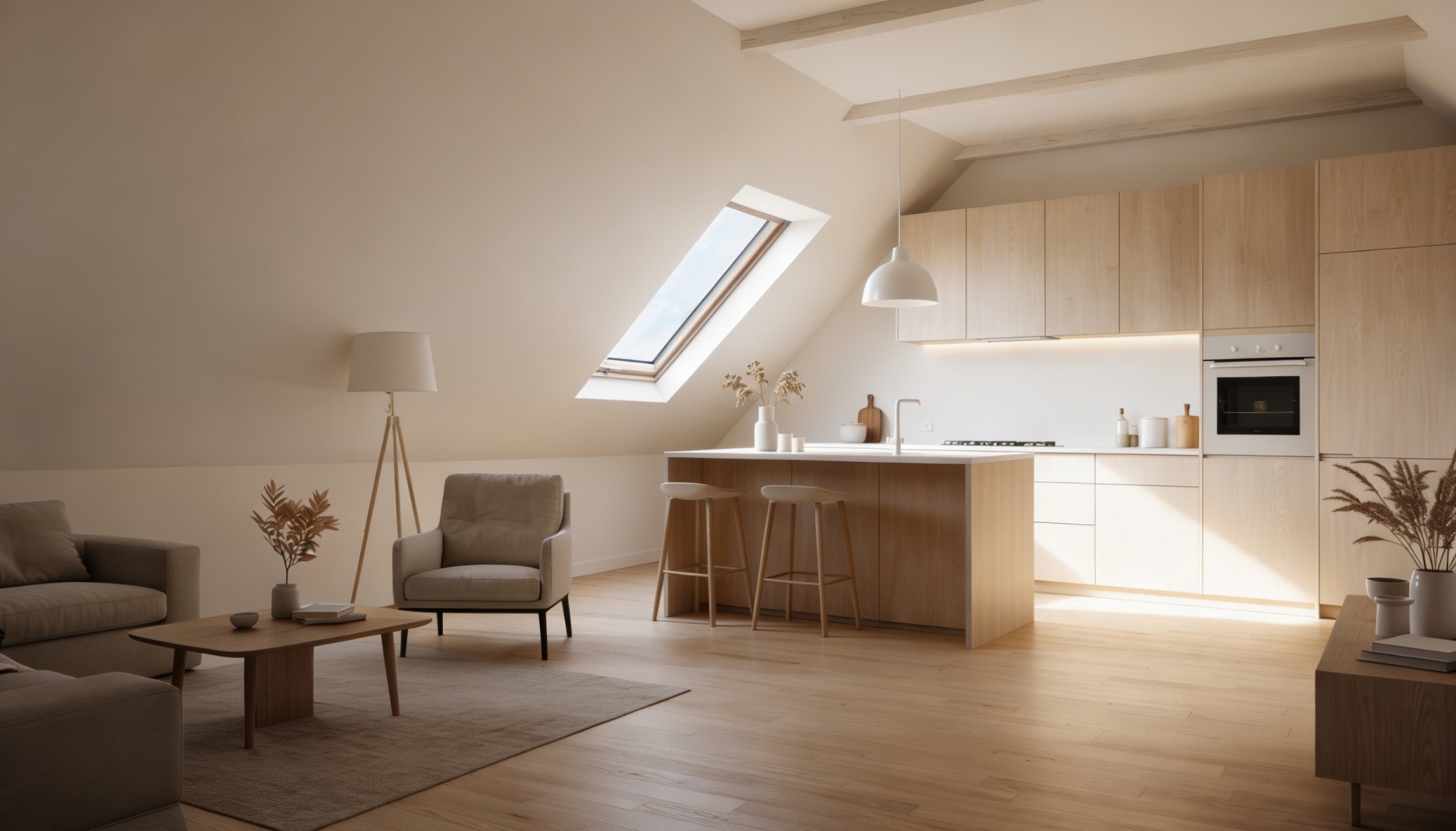
Sunlight is a natural source of energy that can be utilised within buildings. Making better use of daylight can reduce the need for artificial lighting, helping to lower electricity consumption and associated costs. It is a simple and effective approach that can provide measurable benefits over the long term.
Sunlight can also influence indoor temperatures. During colder periods, solar gains can contribute to a building's heat balance and potentially reduce the need for additional heating. Using natural light and solar energy effectively can therefore contribute to a more sustainable approach to building management. Natural light remains one of the most beneficial sources of illumination for people.
Making better use of daylight is part of conscious energy management. Reducing resource consumption does not always require complex technologies; it can also be about making effective use of the natural conditions available. Natural light therefore remains an important factor influencing both living comfort and economic considerations.
Q&A
Question: How does daylight affect the human body?
Answer: It helps regulate the body's biological rhythm and supports sleep, concentration and energy levels during the day.
Question: Can a lack of daylight damage health?
Answer: Insufficient daylight can contribute to fatigue, sleep problems, reduced concentration and low mood.
Question: How can you increase the amount of daylight in a room?
Answer: You can use larger areas of glazing, consider window placement carefully or install roof windows.