Maximising Space in a Small Loft with L-Shaped Combination Windows
Designing a comfortable loft space is rarely straightforward. Sloping ceilings, limited headroom and awkward corners can make a compact attic feel much smaller than it really is. However, with a well-considered design approach, even modest lofts can become some of the most attractive and functional rooms in the home.
Many loft conversion projects focus primarily on layout changes or built-in storage. While these solutions can certainly help, natural light often has an even greater impact. The direction and amount of daylight entering a loft can dramatically influence how open and spacious the room feels.
This is one reason why L-shaped combination windows are becoming increasingly popular in attic conversions. By combining vertical glazing with a roof window, the area where the roof slope meets the wall becomes a source of natural light rather than an awkward corner.
Instead of leaving this part of the loft darker than the rest of the room, the glazing draws daylight deeper into the interior. It also strengthens the visual connection with the outside, helping the space feel less enclosed.
For smaller lofts in particular, carefully planned window combinations can significantly improve both comfort and the perception of space.
Understanding the "Knee Wall" Dilemma in Loft Conversions
In many loft conversions, the lower section of the sloping roof creates what architects refer to as a knee wall. This short vertical wall appears where the roof meets the floor and supports part of the roof structure. Although it serves an important structural purpose, it can also create challenges when planning the interior layout.
Because the wall reduces headroom around the edges of the room, the floor area beside it can be difficult to use effectively. In practice, this part of the loft often becomes storage space or remains underutilised. In smaller attic interiors, it may even be overlooked during the planning stage.
However, this area does not have to remain problematic. By introducing windows into the knee wall, designers can allow daylight to reach the lower sections of the loft that would otherwise remain in shadow.
With glazing in this position, the wall no longer acts as a visual barrier. Instead, it becomes part of a brighter, more open interior, helping compact loft layouts feel more balanced, spacious and comfortable.
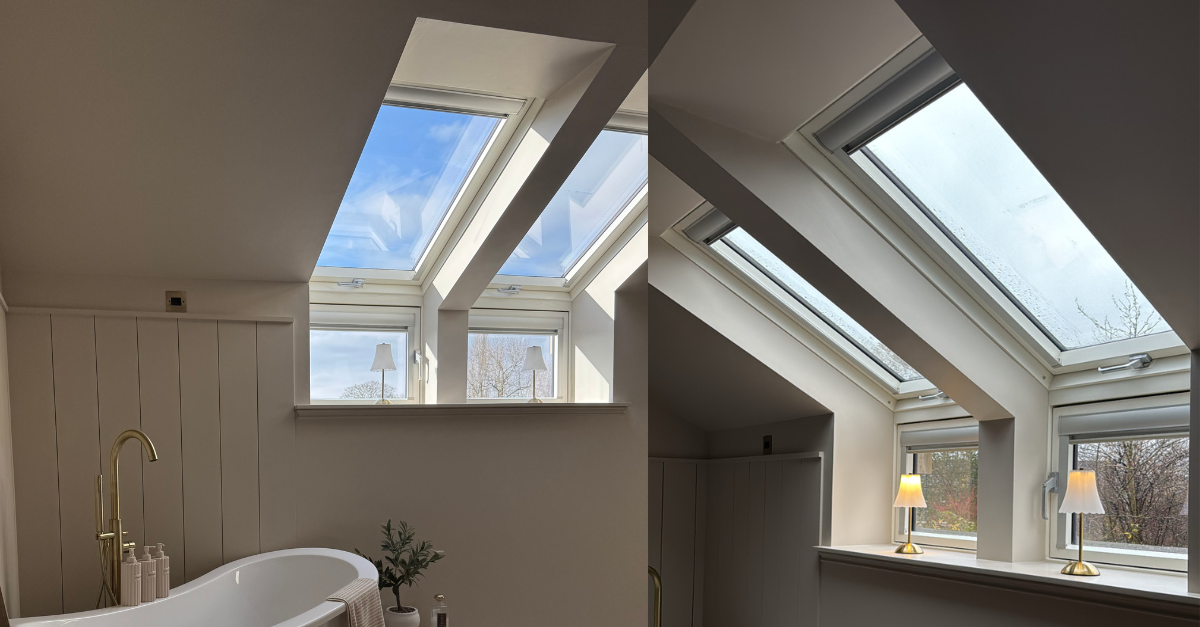
How Vertical Combinations Create Usable Floor Space
Combining vertical glazing with roof windows creates a continuous visual line from the floor to the sky. Rather than stopping at the knee wall, the window extends across both surfaces, making the transition between them feel less defined.
In many attics, designers install knee-wall windows to bring daylight into the lowest part of the loft. Without natural light, this area can feel cramped and difficult to use.
Once daylight reaches this section of the room, it becomes far more practical. Homeowners often transform the space into a small seating area, a reading nook or a compact workspace.
The presence of knee-wall windows also makes it easier to position furniture along the lower wall, allowing areas that once felt wasted to become part of the everyday living space.
From a design perspective, this glazing solution serves two important purposes: it increases the amount of natural light while helping the interior feel taller and more open, all without requiring structural alterations.
Why Choose L-Shaped Windows? Visual and Functional Benefits
Among glazing solutions for attic interiors, this configuration stands out for its ability to combine visual openness with practical performance. The vertical pane introduces daylight at eye level, while the roof window above captures light directly from the sky.
Together, these elements create a larger glazed surface that visually expands the room. Rather than appearing as a single opening in the roof slope, the window arrangement becomes a distinctive architectural feature.
This solution works particularly well in smaller lofts, where improvements in daylight and spatial perception can have a significant impact on overall comfort.
The "Horizon Effect": Extending the View from Sky to Ground
One of the most distinctive features of L-shaped windows is the way they expand the field of view. With standard roof glazing, the outlook is typically directed upwards towards the sky. The addition of vertical glazing changes this entirely.
The view can now include the surrounding landscape, neighbouring buildings and the horizon itself. This seamless transition from sky to ground creates a stronger connection between the interior and the outside environment.
For homeowners exploring small loft conversion ideas, this visual continuity can make the loft feel far less isolated from the rest of the house. Instead of appearing as a detached upper-level space, the attic becomes a natural extension of the home's living areas.
You can explore how an L-shaped combination window works and see what options are available within the FAKRO range.
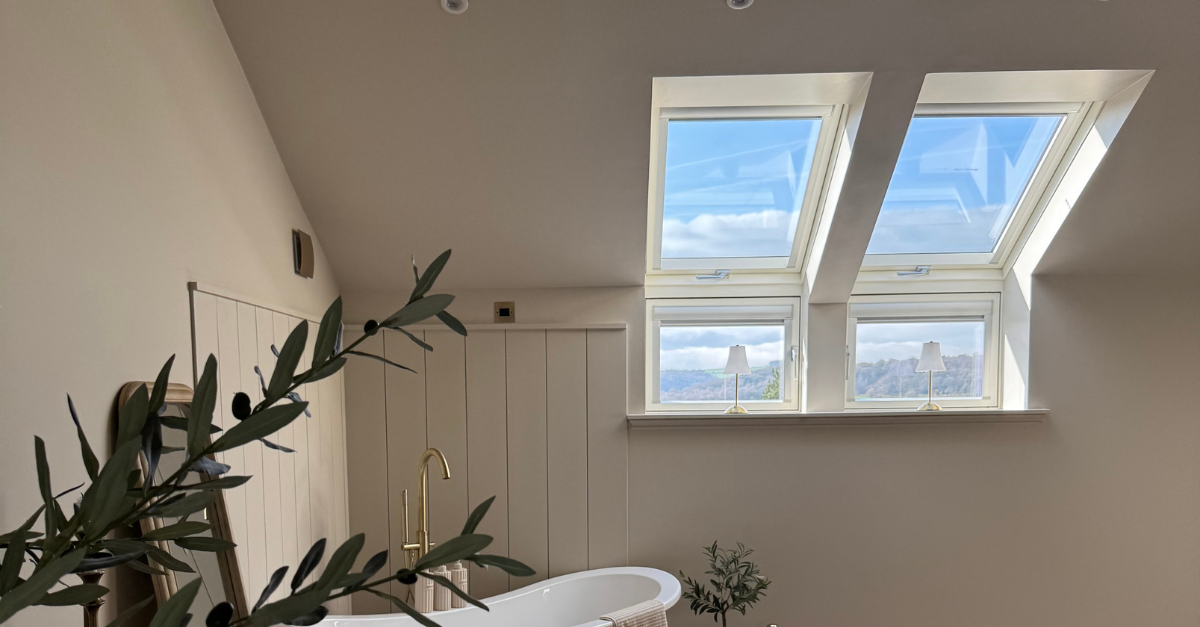
Flooding the Room with Natural Light
Natural light behaves differently in lofts fitted with combination windows. Because the glazing spans both the roof slope and the vertical wall, daylight enters the interior from multiple angles throughout the day, changing the way light moves through the space.
In the morning, the roof window often provides the strongest source of light, illuminating the upper part of the room from above. As the day progresses and the sun changes position, softer daylight enters through the vertical glazing. Rather than remaining concentrated in one area, the light gradually moves across the interior.
This shifting daylight helps soften the contrast between brighter and darker areas. Instead of creating harsh patches of light and shadow, the room tends to remain more evenly illuminated.
Walls, furniture and floor surfaces remain clearly visible as the light changes throughout the day, often giving the loft a calmer and more comfortable atmosphere.
In practice, this type of lighting makes the space easier to use from morning to evening. A loft designed in this way can comfortably function as a bedroom, a home office or simply a quiet place to relax.
Dressing the Window: Blinds for Vertical and Slope Combinations
Large glazed areas increase the amount of daylight entering the loft, but they also make effective shading essential. Blinds designed specifically for combination windows allow homeowners to control brightness, indoor temperature and privacy while preserving the visual appeal of the glazing.
Different sections of the window combination can usually be adjusted independently. During the brightest part of the day, the roof window may require shading, while the vertical glazing can remain uncovered to maintain views of the outside.
Proper installation also depends on compatible flashing systems that provide a secure, weather-tight connection between the window elements and the roof structure, including specialised flashings designed for combination installations offered by FAKRO.
In practice, this type of installation helps smaller attic interiors remain bright, functional and visually open throughout everyday use.