How to Choose the Colour and Style of Internal Blinds to Match Your Interior Design
Choosing blinds for a loft or upper-floor space rarely ends with the first idea. At first, it can seem like a simple decision about colour or fabric. Before long, though, it becomes clear that blinds influence far more than just the appearance of a window.
They affect how light moves through the room, how comfortable the space feels throughout the day, and how well the different elements of the interior work together. In lofts, where roof windows often play a central role, this becomes even more noticeable. Internal blinds for roof windows are not simply a finishing detail; they form part of how the space functions every day.
The Role of Window Blinds & Coverings in Modern Loft Design
In loft spaces, window coverings do far more than soften incoming light. They help balance brightness and create a greater sense of comfort and control within the room. Without them, a space can feel slightly exposed, particularly during the brightest parts of the day.
Blinds also shape the overall feel of an interior. Even when they are not the main focal point, they occupy a central position in the room. Light constantly interacts with them, which makes their impact more significant than it may first appear.
When exploring loft interior design ideas, it is easy to focus mainly on furniture or finishes. In reality, window treatments often influence the atmosphere just as much. They connect natural light with the textures and materials already present in the room, helping the entire space feel more cohesive.
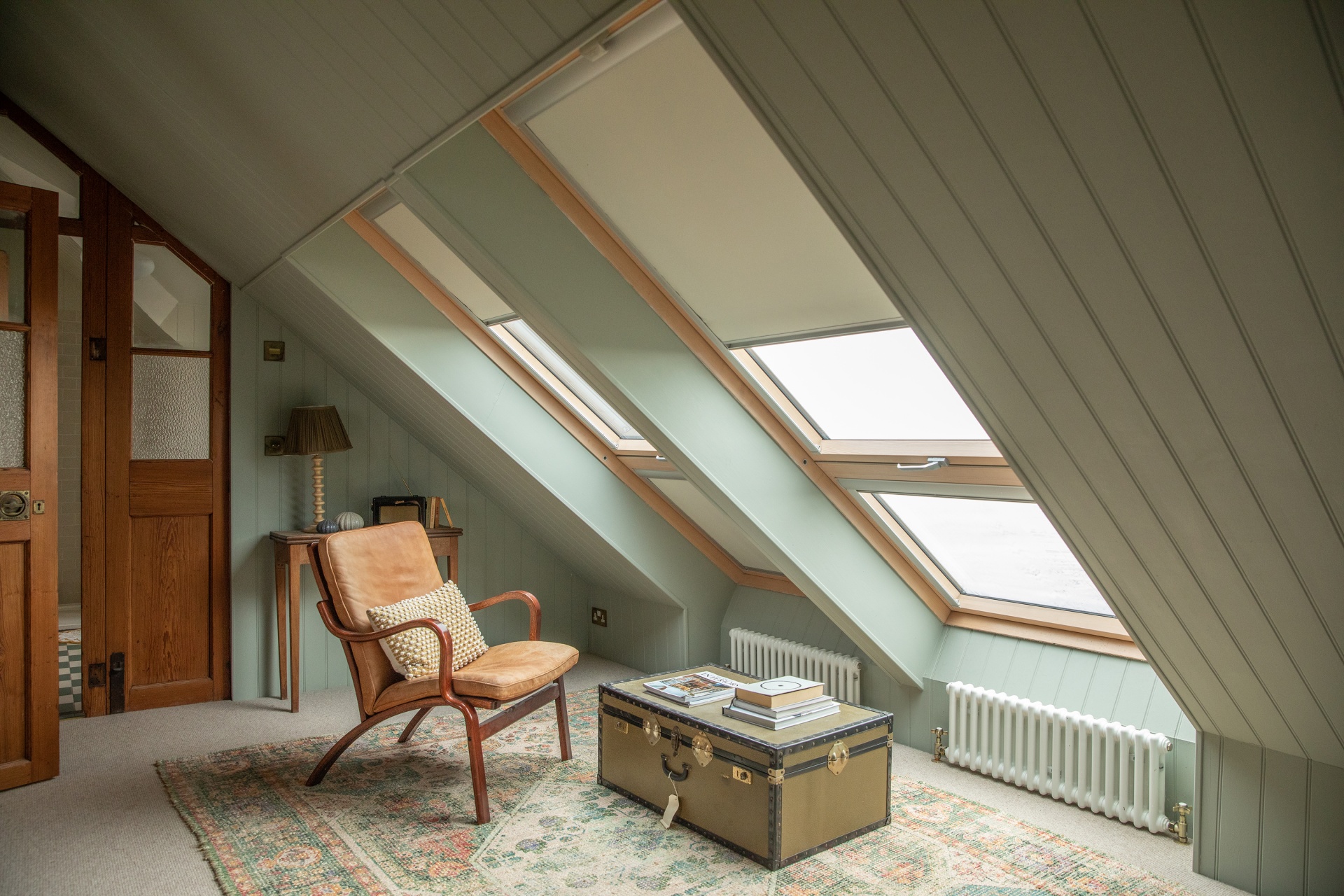
Functionality vs Aesthetics: Why You Need Both
Focusing only on appearance can lead to frustrations later on. A blind that looks attractive but is awkward to use quickly becomes inconvenient. Equally, something chosen purely for practicality can end up feeling out of place.
That is why function and aesthetics should always be considered together. In bedrooms, privacy and light control are usually the main priorities. In home offices or workspaces, reducing glare tends to matter more. Living areas often sit somewhere in between.
The best solution is usually a balanced one. Blinds should feel natural within the space and remain easy to use, without drawing unnecessary attention to themselves.
Decoding Colour: How to Choose the Right Shade
Choosing colours often seems straightforward until they are viewed in real conditions. In lofts, overhead daylight changes throughout the day, which can noticeably alter how colours appear.
For that reason, roof window blind colours should always be considered within the actual space rather than relying solely on samples. A tone that appears neutral in one setting may feel warmer or cooler in another as the light shifts.
It also helps to decide whether the blinds should blend into the background or introduce a gentle contrast. Both approaches can work well, but they create a different atmosphere within the room. Sometimes the difference is subtle, yet still noticeable over time.
- Neutral Tones for a Timeless Look
Neutral shades remain one of the safest and most versatile choices. They adapt easily to different interiors and allow other design elements to stand out naturally. Soft whites, warm beiges, and light greys can make a loft feel calm, airy, and balanced, particularly in spaces filled with strong natural light.
Neutral blinds also tend to age well stylistically. If other elements of the room change over time, they will usually continue to work without needing to be replaced. This makes them both a practical and long-lasting option.
- Bold Contrasts: Making a Statement
Stronger tones can add depth and definition to a loft interior. In brighter spaces, slightly darker blinds can help anchor the room and create a more grounded feel.
The contrast does not need to be dramatic to make an impact. Even a subtle shift in tone can change how the space is perceived. The key is ensuring the colour connects naturally with other elements in the room so that the result feels intentional rather than forced.
Used carefully, contrast can highlight the shape and structure of roof windows instead of competing with them.
- Matching Blinds to Your Wall Colour
Coordinating blinds with wall colours can work very well, but an exact match is not always the best approach. When everything blends too closely together, the room can sometimes lose depth and character.
A slight variation in tone often feels more natural. For example, a warm white wall may pair better with a softer off-white blind rather than an identical shade. Lighting also plays an important role here. Colours shift throughout the day, so it is worth considering how they appear in natural conditions instead of relying entirely on showroom samples.
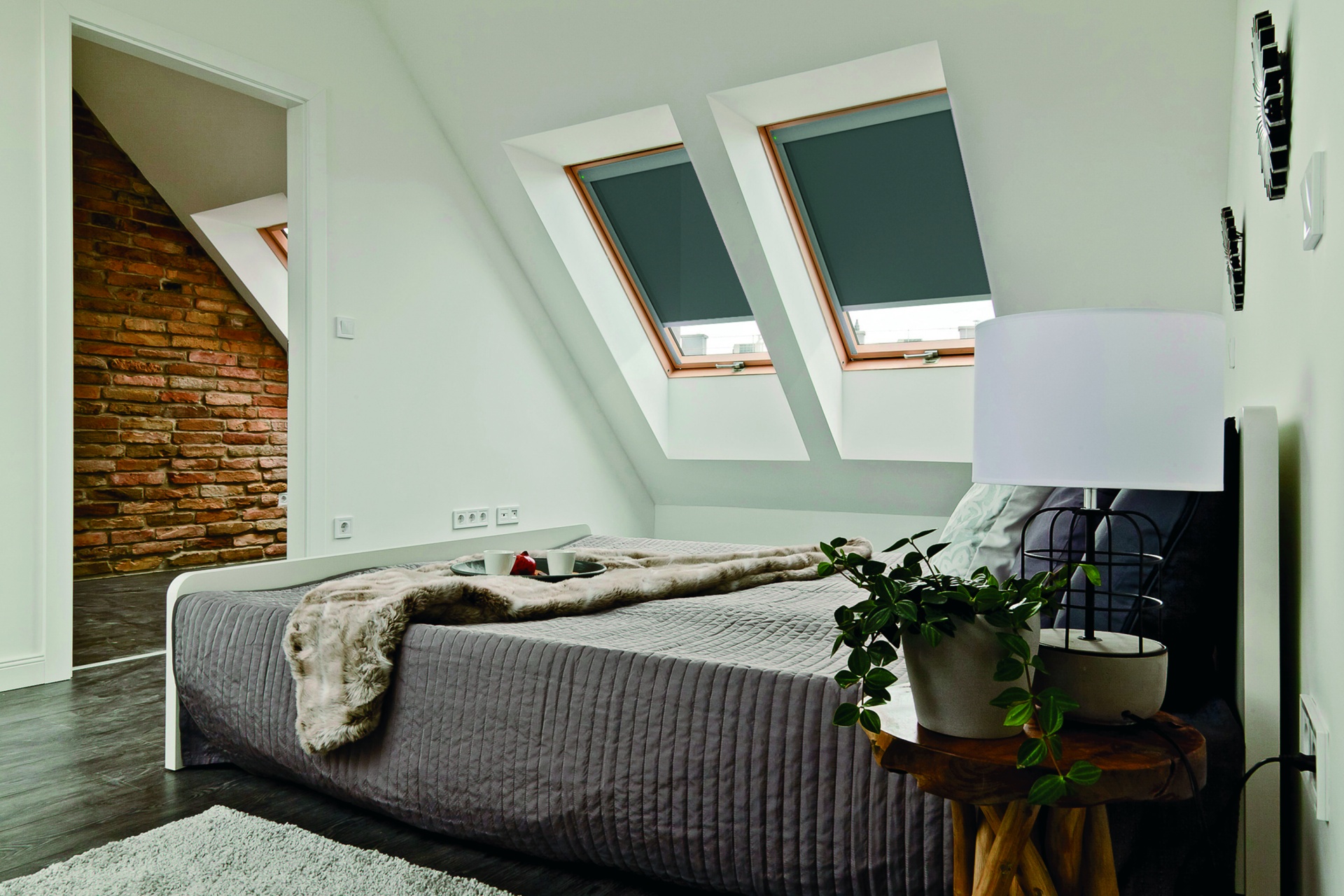
Matching Blinds to Popular Interior Styles
Blinds should support the overall interior design rather than stand out unnecessarily. Even small differences in texture or tone can influence how a room feels.
In loft interiors, where light and architectural structure already define much of the space, consistency becomes even more noticeable. Looking at loft interior design ideas can be useful for inspiration, but it works best as guidance rather than a strict set of rules.
- Scandinavian Minimalism: Soft Textures and Light
Scandinavian interiors focus on simplicity, brightness, and a restrained colour palette. These spaces are usually filled with natural light and avoid strong contrasts.
Blinds in this setting tend to work best in soft neutral shades such as white, light grey, or warm beige. Gentle textures can add warmth without making the room feel heavy. The overall aim is to support the light and maintain a calm, uncluttered atmosphere.
-
Industrial Loft: Raw Materials and Dark Accents
Industrial loft interiors often rely on stronger contrasts and more defined materials. Exposed surfaces and darker finishes create a structured, architectural look.
Blinds can complement this style through deeper shades such as charcoal, graphite, or muted black. These tones connect naturally with industrial materials without becoming overpowering. Simpler designs usually work best, as clean lines tend to suit the space more naturally than decorative details.
- Modern Classic: Elegance Through Pleats and Patterns
Modern classic interiors combine simplicity with refined detailing. They feel elegant without becoming overly formal.
In these spaces, blinds can introduce slightly more character through subtle patterns, structured pleats, or richer tones. The effect should still feel balanced and understated, adding depth to the room without overwhelming it.
Choosing the Right Type of Blind for Every Room
A loft rarely functions as one uniform space. Even when the windows are similar, different rooms usually require different solutions.
In bedrooms, blackout options and light control are often the priority. In workspaces, visual comfort and glare reduction matter more during the day. Bathrooms introduce another consideration, as moisture resistance becomes just as important as privacy.
Because of this, blinds are often chosen room by room rather than as one fixed solution throughout the entire loft. The overall style can still remain consistent, but the functionality should reflect how each space is used every day.
Window shape also matters. In layouts such as an L-shaped combination window, simpler blinds often help maintain the clean structure of the design.
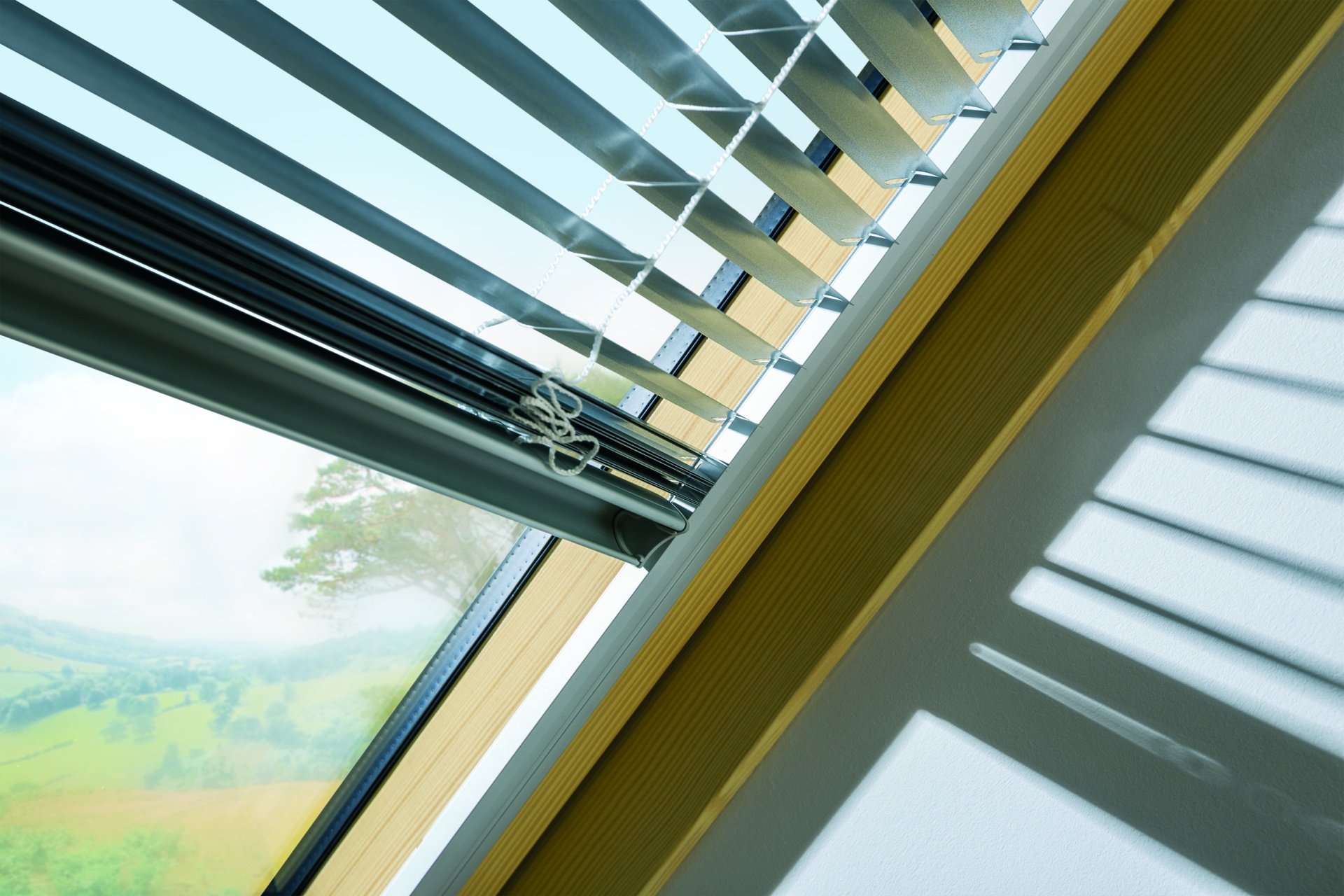
Practical Considerations: Material, Durability, and Maintenance
Practical details quickly become important in everyday use. Material, durability, and ease of maintenance often matter more than expected over time. A blind that is difficult to clean or awkward to adjust can soon become frustrating.
The material affects not only the appearance of the blinds, but also how they perform in daily life. Some fabrics create a softer, more relaxed feel that suits living spaces, while others are easier to maintain and better suited to high-use areas.
Frequency of use also makes a noticeable difference. The more often blinds are adjusted, the more important small details become. In many cases, a simpler design that works reliably every day proves to be the best long-term choice.
Ultimately, the best blinds are not always the ones that stand out the most. They should support the light, complement the surrounding materials, and feel natural within the space. Looking at the room as a whole usually leads to better decisions, especially when colour, texture, and functionality are considered together.
When everything works in harmony, internal blinds for roof windows become part of the interior itself rather than simply an added feature.