Digital Quality Control Systems and Responsible Process Management
Digital Quality Management Systems (QMS) are increasingly replacing paper forms and manual reporting in modern manufacturing organisations. As data volumes continue to grow and processes become more complex, businesses are seeking solutions that enable them to analyse information more quickly, manage inspections more efficiently, and plan operational activities more effectively. These improvements often lead to a reduction in paper-based documentation and more efficient use of resources.
Digitising Quality Processes
Manufacturing organisations carry out hundreds, and often thousands, of quality inspections, audits and supervisory activities every day. Traditionally, these processes have relied on paper forms, manual reporting and fragmented documentation. On a large operational scale, this approach creates additional administrative work and makes it more difficult to access information quickly.
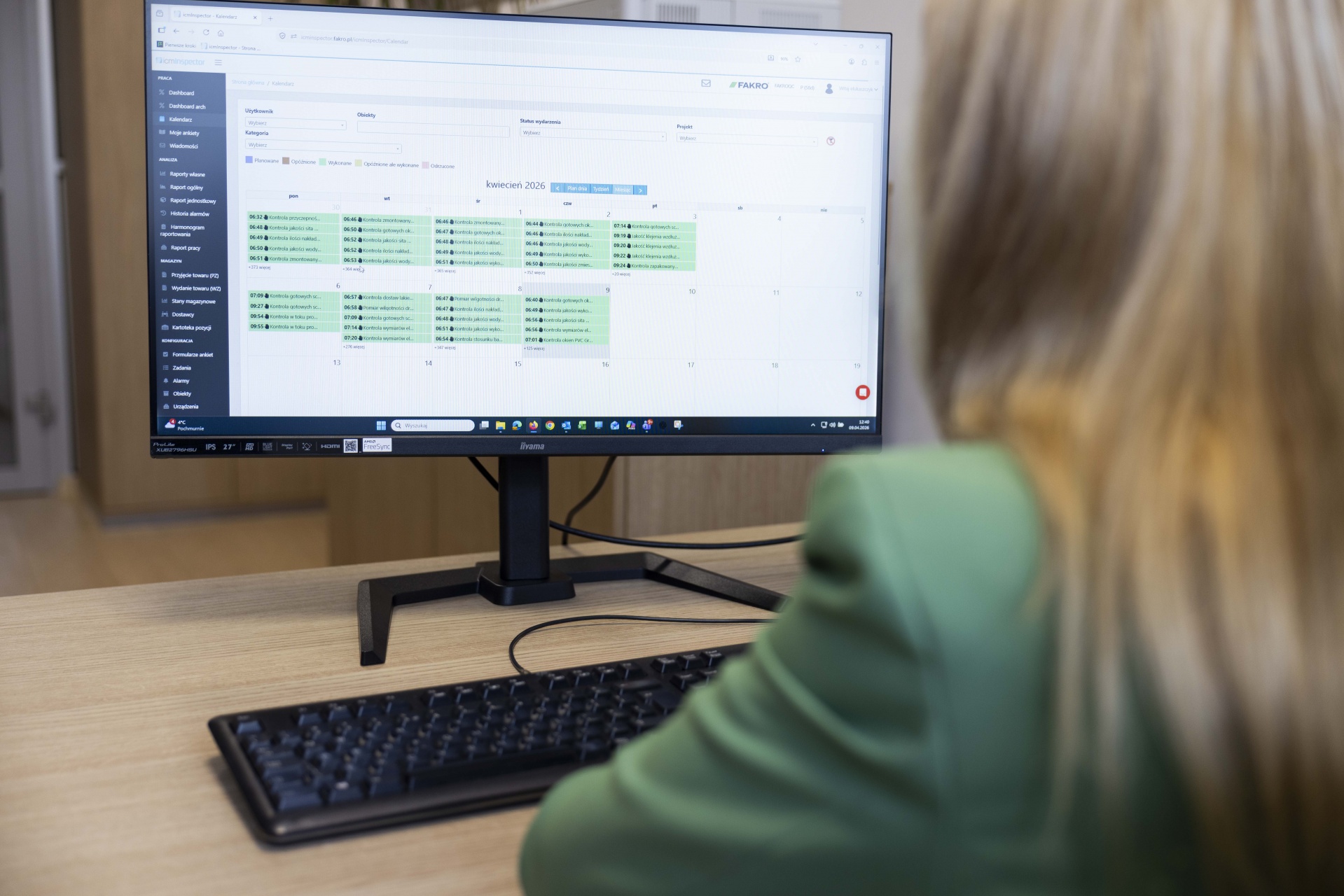
At FAKRO, the quality management system was strengthened through the implementation of the icmInspector QMS. The system supports inspection planning, records inspection results, and analyses quality data within a single digital environment. The primary aim of the project was to streamline operational processes, improve data accessibility, and enhance the flow of information between departments.
Reducing Paper Documentation
One of the most noticeable benefits of digitisation has been the reduction in paper documentation used throughout quality control processes. Electronic forms have replaced traditional checklists and paper reports, removing the need for printing, storing and manually processing large volumes of paperwork.
Since its implementation, the system has processed more than 326,000 inspections and almost 5.8 million inspection points. Moving these activities into a digital environment has reduced paper consumption by approximately 653,702 sheets, equivalent to more than 1,300 reams. Based on estimated calculations, this saving is comparable to the raw material obtained from around 82 trees.
Although reducing paper consumption was not the primary objective of the project, it demonstrates how improvements to everyday operations can also contribute to more efficient use of resources.
Better Planning and More Efficient Work Organisation
A digital quality control system also improves the planning and coordination of inspections and audits. Automated task scheduling, centralised form management and real-time access to data help reduce administrative workloads while improving overall work organisation.
In practice, this leads to better coordination of inspection activities, faster information sharing and easier access to up-to-date quality data. Across a large organisation, even relatively small improvements can result in significant savings in both time and resources.
Faster Detection of Non-Conformities
Modern QMS platforms support continuous process monitoring and enable faster responses to any deviations that arise. Inspection results are transferred directly to a central system, where they can be analysed almost immediately after completion.
Automatic alerts generated when predefined parameters are exceeded allow non-conformities to be identified more quickly, enabling corrective action to be taken sooner. This helps minimise the risk of ongoing process issues that could affect product quality, operational efficiency or material usage.
Greater Data Transparency and Reporting
Data transparency and the ability to generate reports quickly are becoming increasingly important for modern organisations. A digital QMS organises information, provides full traceability of activities, and makes it easier to analyse trends and operational data.
By centralising data collection, organisations can produce reports more efficiently, assess the effectiveness of improvement initiatives, and monitor key operational performance indicators. This is particularly valuable in today's manufacturing environment, where transparency and reliable reporting are becoming increasingly important.
Digital Processes as a Natural Step Forward
FAKRO's experience demonstrates how digitising quality control can support operational development while improving the day-to-day organisation of work. The implementation of the QMS has helped streamline information flow, improve data accessibility and significantly reduce paper-based documentation.
For modern organisations, continuous improvement increasingly relies on well-designed digital solutions. These technologies enable faster data analysis, more effective planning and more efficient management of quality processes, supporting both operational performance and responsible resource management.