Building with Transparency: FAKRO’s Environmental Product Declarations
Climate change is increasingly prompting industries across the globe to take action to mitigate its adverse effects. This also applies to the construction sector, which, according to analyses, is responsible for more than one-third of CO₂ emissions in Poland. One way to reduce the environmental impact of the construction industry is through the use of building products whose production and application place minimal strain on the natural environment and climate.
FAKRO products respond to growing market demand and user expectations for transparent reporting of environmental performance. A clear demonstration of this commitment is FAKRO’s achievement of Environmental Product Declarations (EPDs) for its products.
What is an EPD?
Environmental Product Declarations (EPDs), also known as Type III environmental declarations, are independently verified documents that assess a product’s environmental impact throughout its entire life cycle, from raw material extraction and manufacturing, through transport, installation and use, to disposal and recycling. The foundation of an EPD is a Life Cycle Assessment (LCA).
An EPD also includes the Global Warming Potential (GWP) indicator, which measures the total greenhouse gas emissions associated with a product. This is expressed as a CO₂ equivalent and is commonly referred to as the product’s carbon footprint.
Environmental declarations, therefore, serve as comprehensive product information sheets, clearly presenting environmental impacts at each stage of the product life cycle. Such documentation provides a clear signal to partners that FAKRO, as a socially and environmentally responsible company, is committed to reducing CO₂ emissions, optimising the use of raw materials in production, and managing resources such as energy and water responsibly.
Choosing products with an EPD can also help investors and developers gain additional credits within green building certification schemes such as BREEAM and LEED. Furthermore, EPDs increase transparency by providing reliable environmental data that has been independently verified.
How does this look at FAKRO?
By choosing FAKRO products, customers benefit not only from comfort, functionality and attractive design, but also from access to detailed information about the environmental impact of the products they purchase.
Environmental Product Declarations (EPDs) are available for the following product groups: timber and aluminium-uPVC roof windows, flat roof windows, roof access windows, flashing systems, external window accessories, and timber and metal loft ladders.
Based on these declarations, which are available to download from the FAKRO website (https://www.fakro.com/information-about-the-company/epd-declarations/), users can access information on specific environmental impact categories for individual products. As a result, private customers gain confidence in choosing a brand whose values and operational policies align with their own. Investors, meanwhile, benefit from products that not only meet technical requirements but also support environmental impact assessments, helping to deliver projects in line with sustainable construction principles.
FAKRO considers environmental factors from the earliest stages of product design. The raw materials used in production are sourced from responsibly managed resources. Timber roof windows are manufactured using FSC-certified pine, ensuring that forest resources are harvested sustainably and at levels that allow for natural regeneration. Logistics processes and supply chains are also assessed in accordance with FAKRO’s internal environmental and social standards.
Throughout the manufacturing process, FAKRO consistently incorporates recycled materials, supporting the principles of the circular economy. One example is the reuse of waste generated during the production of aluminium-PVC windows. This waste is processed by a specialist company that manufactures plastic profiles and converts it into PVC profiles, which are then reused by FAKRO as a raw material for frame production. This approach minimises waste while supporting sustainable development.
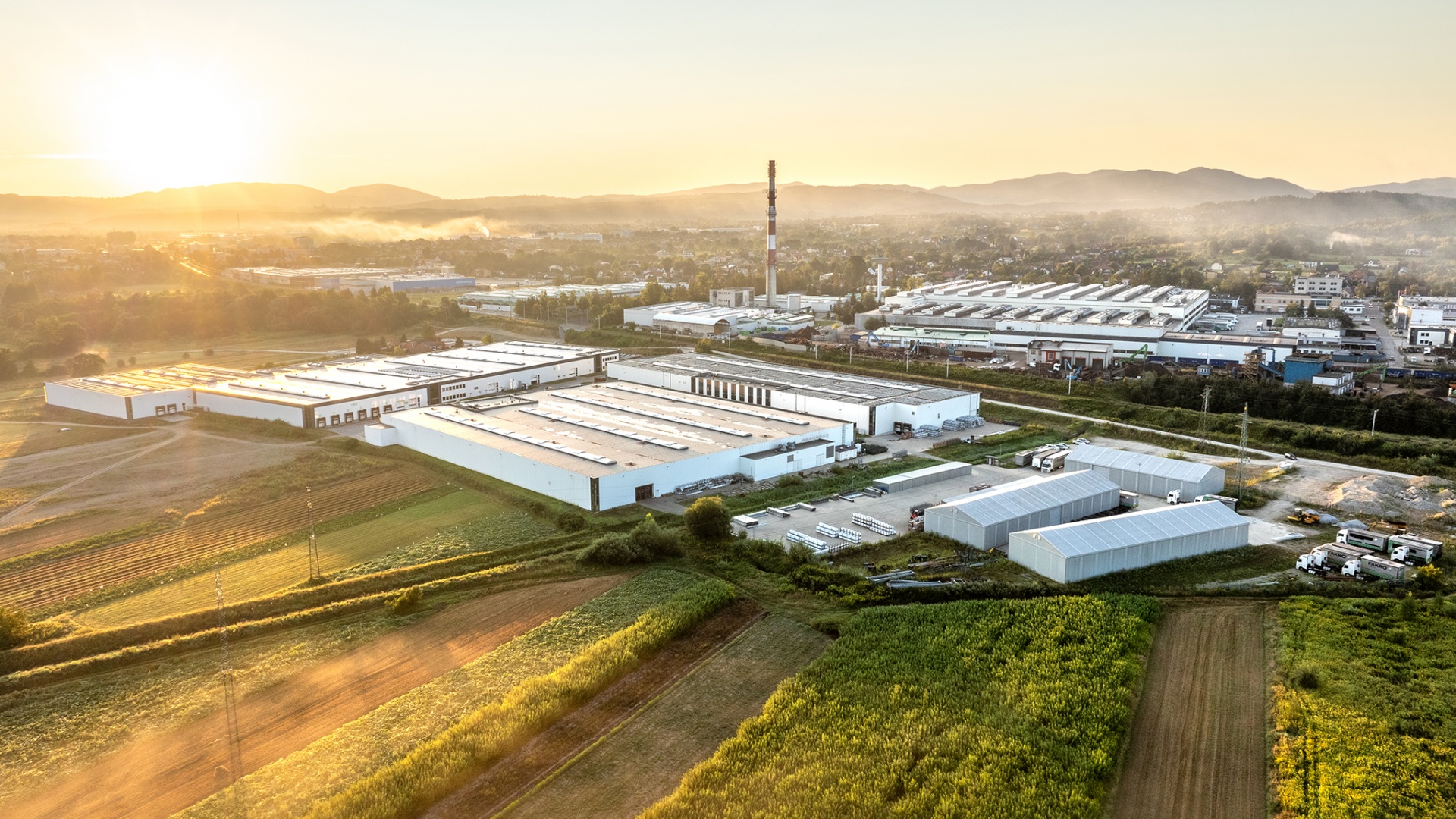
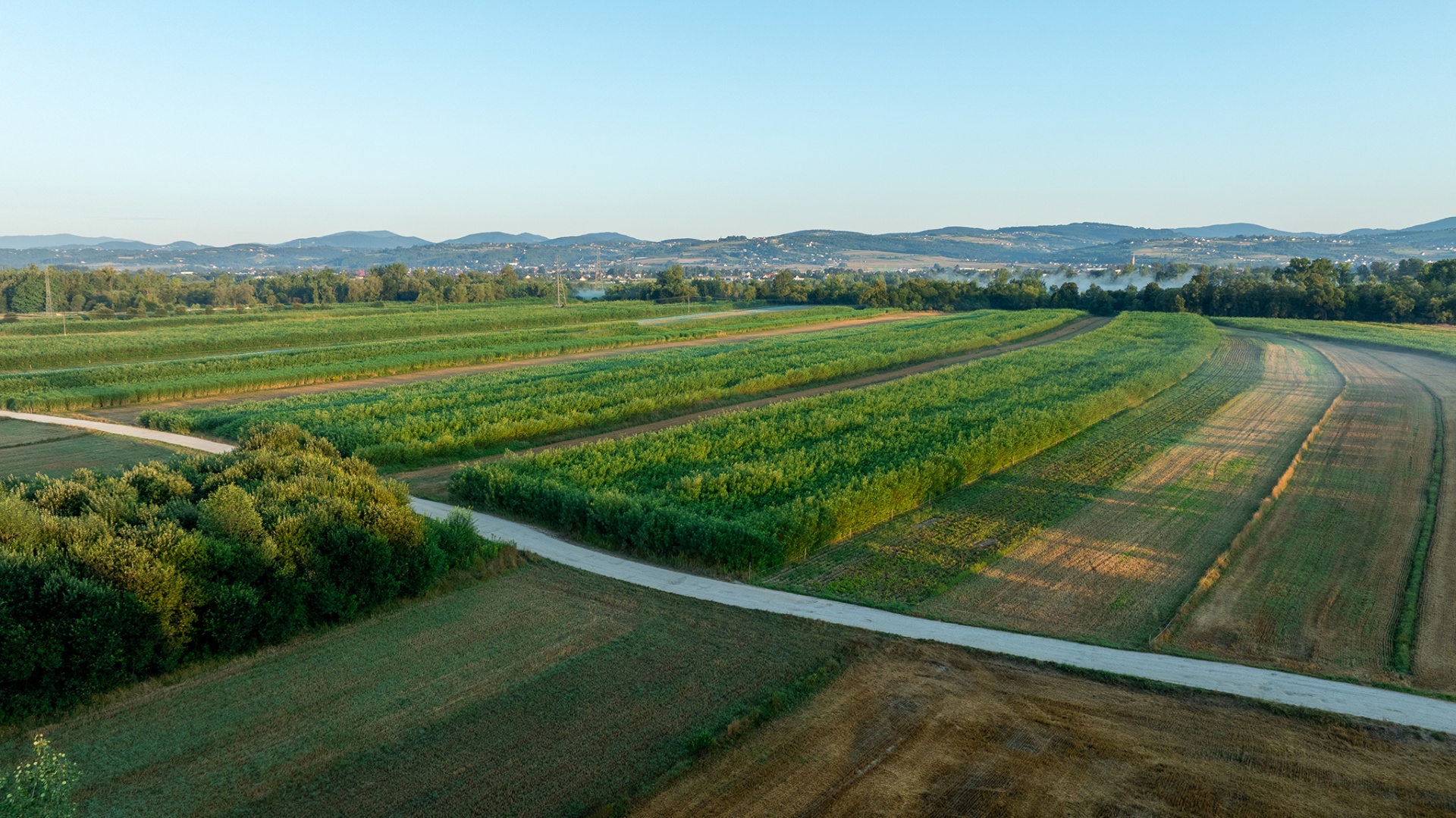
FAKRO also makes use of renewable energy sources. A photovoltaic installation located on the roofs of its production facilities generates electricity with a capacity of approximately 2,105 kWp (2024 data). Biomass in the form of energy willow is also used to heat company buildings. A 35-hectare plantation established near FAKRO’s headquarters enabled the use of 429 Mg of energy willow in 2025.
More about our EPD Declarations: https://www.fakro.com/information-about-the-company/epd-declarations/