Stop Heat Loss & Draughts: A Complete Guide to Insulating Around Your Roof Windows
In Scandinavia, roof windows are often described as ‘the crown jewels of a modern home’, thanks to the natural light and fresh air they bring into a space. However, even the best roof windows can become a source of problems if insulation is overlooked.
Poor insulation around roof windows can lead to heat loss, draughts, condensation and increased energy bills. If you have noticed cold air movement or temperature fluctuations near your roof window, it may be time to take a closer look at how well it is insulated.
This guide explains why effective insulation matters, highlights common weak points, and outlines practical ways to improve thermal performance and achieve year-round comfort.
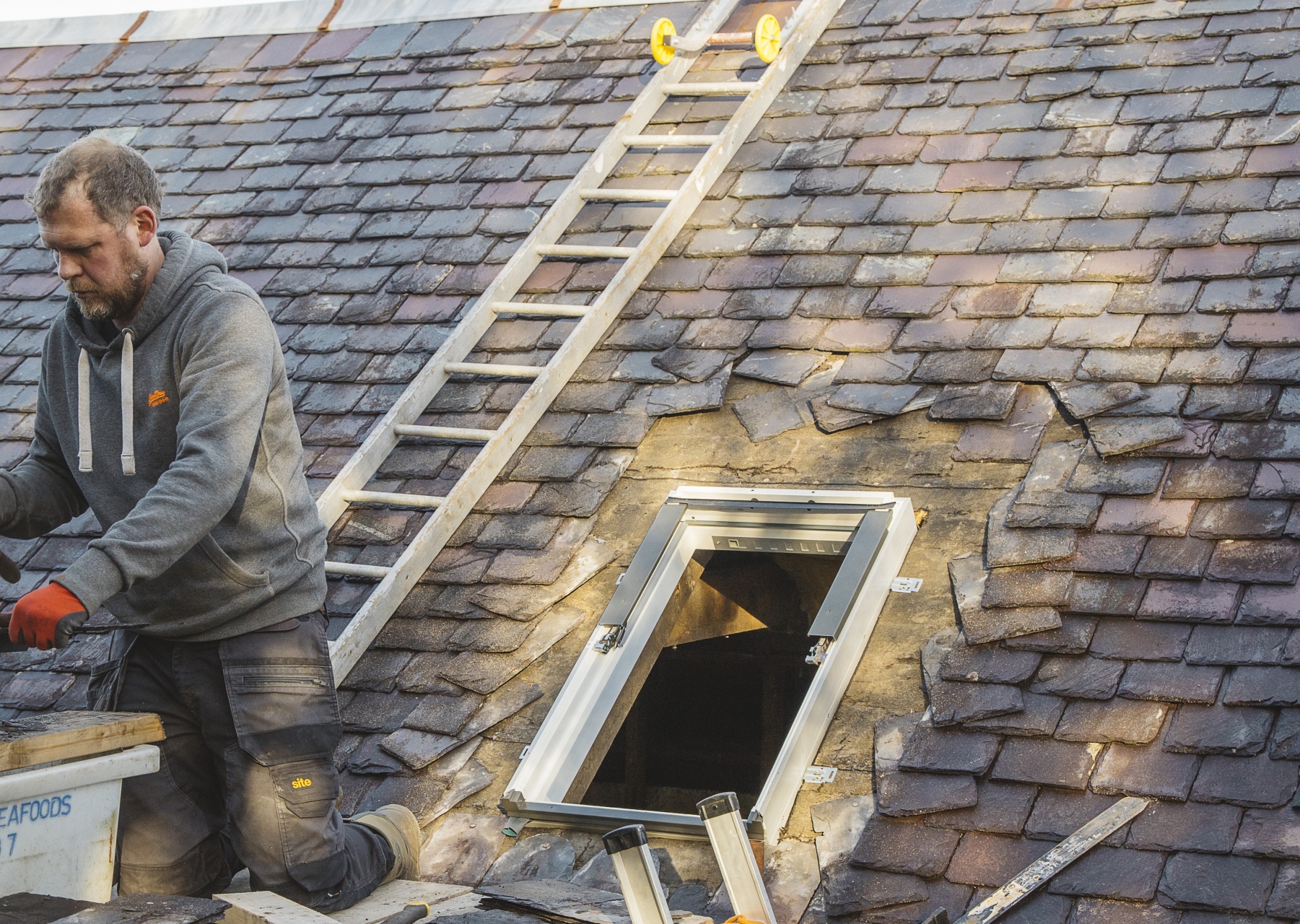
Why Is Effective Roof Window Insulation Essential?
Roof windows sit at the highest point of a property, where heat naturally rises. As a result, they can become a major source of energy loss if not properly insulated.
Effective insulation is not just a technical detail; it plays a key role in improving energy efficiency, maintaining indoor comfort and protecting the building from moisture-related issues.
- Beyond Comfort: The Financial Impact of Poor Insulation
In winter, poorly insulated roof windows allow heat to escape. In summer, they can let excess heat in. This forces heating and cooling systems to work harder, increasing energy consumption and driving up bills.
Improving insulation helps stabilise indoor temperatures and reduce overall energy use.
- Understanding Thermal Bridges Around Your Window Frame
Thermal bridges occur where heat escapes through gaps, joints or poorly insulated materials. The junction around a roof window frame is a common weak point, allowing warm air to escape and cold air to enter.
Proper insulation and airtight sealing help eliminate these weak spots, improving comfort and maintaining consistent indoor temperatures.
- Preventing Condensation and Associated Risks
Condensation forms when warm indoor air meets a cold surface, such as poorly insulated glazing or frames. Over time, this can lead to damp, mould growth and even structural damage.
By improving insulation and maintaining higher internal surface temperatures, you can significantly reduce the risk of condensation and its long-term effects.
- The Link Between Insulation and Your EPC Rating
Your home’s Energy Performance Certificate (EPC) rating has a direct impact on its value and appeal. Well-insulated roof windows contribute to better overall energy efficiency, helping to improve your EPC rating and making your property more attractive to buyers or tenants.
Pinpointing the Weak Spots: Where Heat Escapes
To improve insulation effectively, it is important to identify where heat loss occurs. In many cases, inefficiencies are not immediately visible but can significantly affect performance over time.
- Common problem areas include: Draughts Through Seals and Gaps
Even small gaps or worn seals can cause noticeable draughts. Over time, seals deteriorate due to weather exposure and regular use. When this happens, cold air enters and warm air escapes, creating discomfort and increasing heating demand.
Simple checks, such as running your hand around the frame on a cold day, can help identify draughts. Addressing these issues promptly improves airtightness and overall comfort.
- The Window-to-Roof Connection
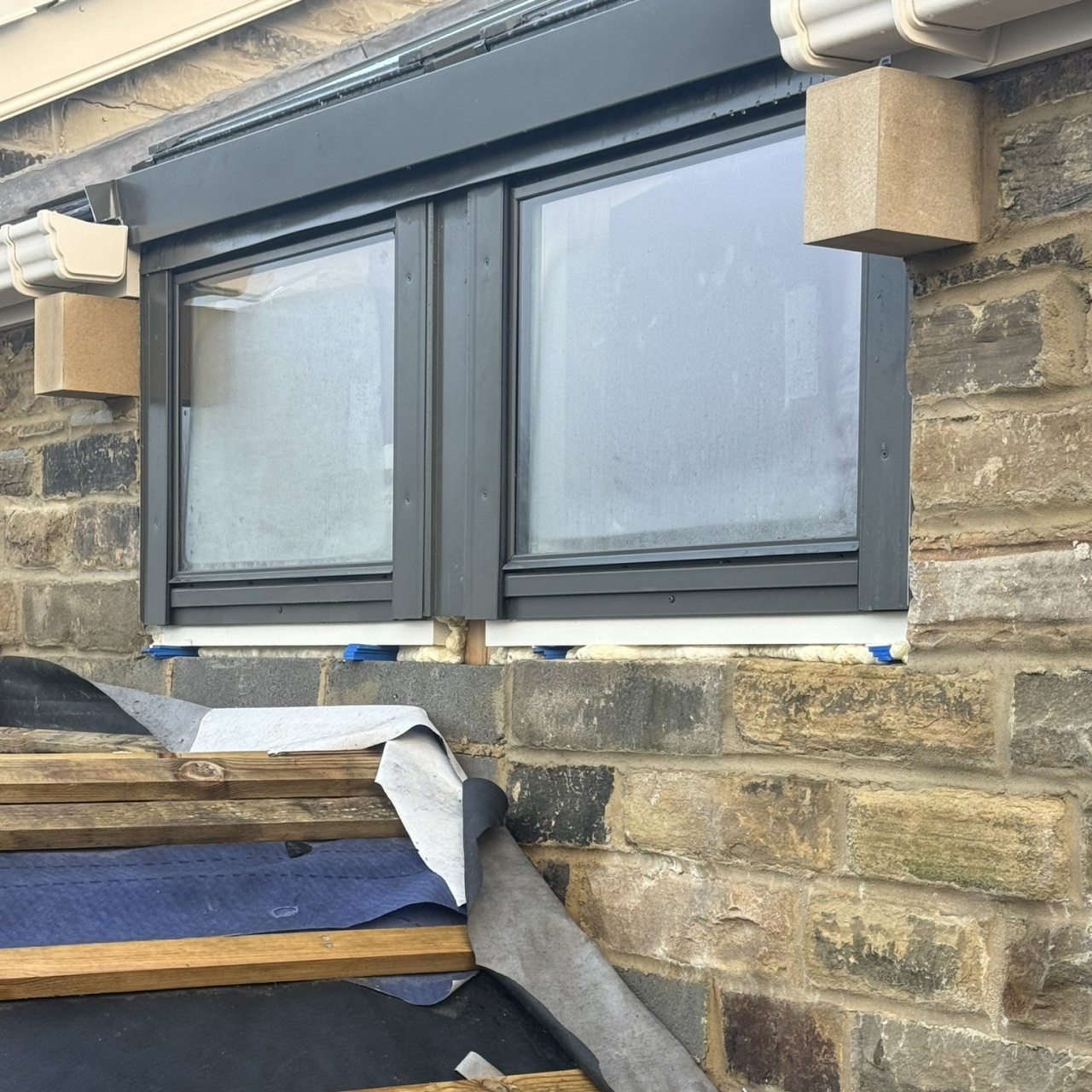
The junction between the roof window and the surrounding roof structure is particularly vulnerable. If not properly insulated, this area can create thermal bridges that allow heat to bypass insulation layers.
This is especially common in older or poorly executed installations. Ensuring a continuous insulation layer and proper sealing at this junction is critical for long-term performance.
- Installation Quality
Even high-quality roof windows can underperform if installed incorrectly. Gaps, poorly fitted vapour barriers, or unsuitable materials can all contribute to heat loss and moisture problems.
Following manufacturer installation guidelines is essential. Products such as insulation collars and airtight sealing systems help ensure a secure, energy-efficient fit.
- Older Roof Windows
Older roof windows, particularly those with single or basic double glazing, often have poor thermal performance compared to modern units. High U-values and outdated sealing systems can make them a major source of heat loss.
In some cases, replacement is the most effective solution. Modern roof windows offer significantly improved insulation, better draught protection and integrated energy-saving features.
Key Strategies for Improving Thermal Performance
Once problem areas have been identified, the next step is to implement effective improvements. A strategic approach ensures lasting results rather than temporary fixes.
- Ensure Proper Installation and Sealing
Correct installation is the foundation of good thermal performance. Even the best materials will not perform properly if the window is poorly fitted.
Professional installation, with careful attention to airtightness and weatherproofing, is essential.
- Upgrade to Thermal Flashing
Thermal flashing systems provide more than basic weather protection. They include additional insulation layers that improve the performance of the window-to-roof connection.
This is particularly beneficial in colder climates, where reducing heat loss is critical.
- Consider Replacing Older Windows
If your existing roof windows are outdated, upgrading to modern, high-performance units can deliver significant improvements. Triple-glazed roof windows, for example, offer excellent insulation and enhanced comfort.
- Use Insulating Collars and Vapour Barriers
Insulating collars fill the gap between the window frame and the roof structure, reducing thermal bridging. Vapour barriers help prevent moisture from entering the construction, protecting against condensation and long-term damage.
Together, these components ensure a more efficient and durable installation.
- Add Internal & External Blinds
Internal blinds can help regulate temperature by reducing heat loss in winter and limiting solar gain in summer. They act as an additional insulating layer, improving overall comfort. External blinds can provide an additional layer of protection for the outside of the window.
FAKRO Solutions: Designed for Energy Efficiency
A range of dedicated components can significantly improve roof window performance:
- EHV-AT Thermo flashing – enhances insulation around the window while protecting against the elements
- XDP insulation set – reduces thermal bridging and improves airtightness
- Energy-efficient roof windows – modern triple-glazed & quadruple-glazed units with low U-values
- Blinds & shutters – provide additional temperature control and comfort
Conclusion: Invest in Long-Term Comfort and Efficiency
Insulating around roof windows should never be overlooked. Whether addressing draughts, upgrading installation components, or replacing older units, each improvement contributes to better comfort, lower energy bills and improved overall efficiency.
With the right approach, roof windows can remain an asset to your home, delivering light, ventilation and performance without compromise. Think modern roof windows, think FAKRO.