Smoke Ventilation Systems: How They Work and Why They Are Crucial for Safety?
Smoke is often the most dangerous part of a fire. It can fill corridors and stairwells within minutes, reduce visibility, and make breathing difficult long before flames appear. This is why modern buildings use smoke ventilation systems to remove smoke and improve escape conditions quickly.
At FAKRO, we highlight that effective smoke management is a key element of building safety. Understanding how these systems work helps homeowners, designers and installers make informed decisions that protect both people and property.
What Is a Smoke Ventilation System?
A smoke ventilation system is designed to control and remove smoke during a fire. Although the principle behind it may seem straightforward, its effectiveness depends on the precise coordination of several key components.
Definition and Purpose
The main objective is to remove smoke and hot air from a building as quickly as possible. By improving visibility and reducing heat, these systems support safe evacuation and help firefighters reach affected areas more quickly.
They also form an essential part of wider fire safety strategies, as effective smoke removal reduces the risk of structural damage caused by prolonged exposure to high temperatures.
Components of a Typical Smoke Ventilation System
A complete system usually includes:
- Sensors that detect smoke or sudden temperature increases.
- A central control panel linked to the fire alarm system.
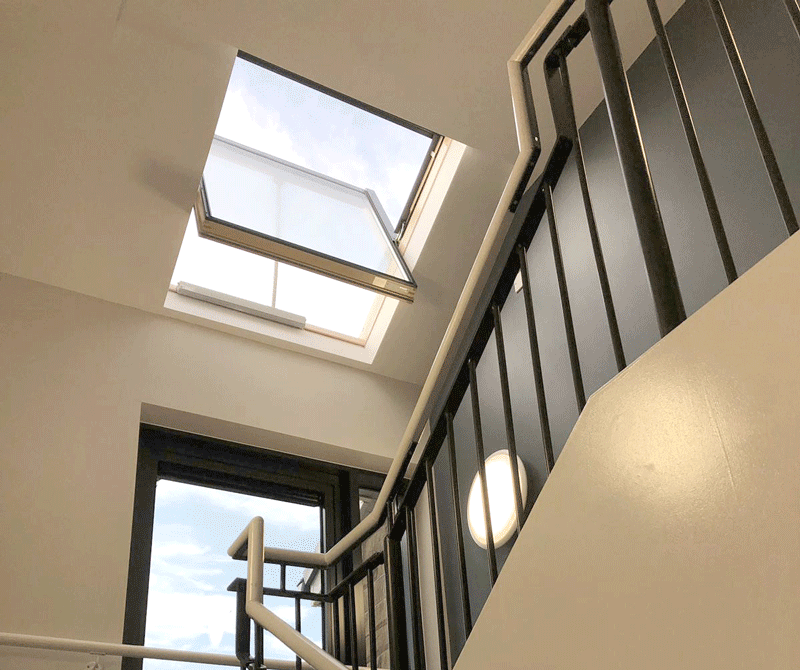
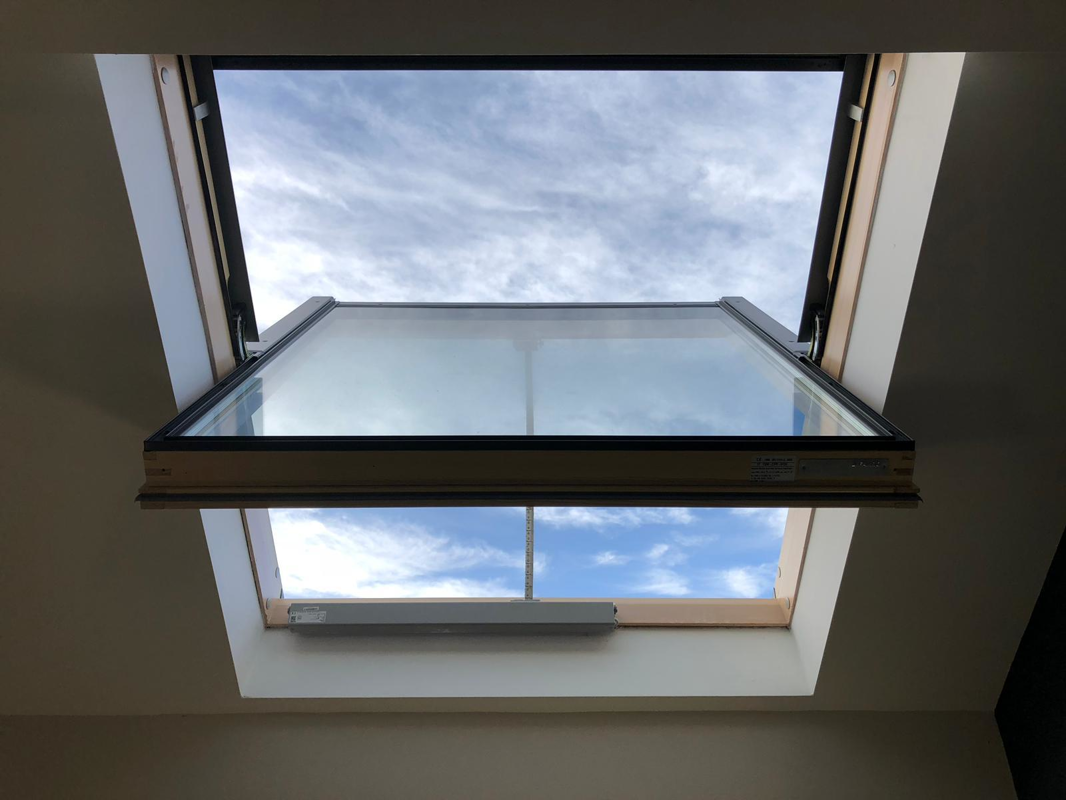
- Opening devices such as hatches or dedicated smoke vent windows.
- A power supply with a reliable back-up source.
When these elements activate together, they create a controlled path for smoke extraction, significantly improving conditions inside the building during the critical early stages of a fire.
How Do Smoke Ventilation Systems Work?
Once smoke or heat is detected, the control panel automatically triggers the opening devices. Roof hatches, flaps or windows open to create a clear exhaust route.
Hot air naturally rises and escapes through the highest opening, while cooler air enters from below. This vertical movement reduces smoke density, slows its spread, and helps maintain visibility in escape routes.
The effect can be life-saving, particularly in the first few minutes of a fire when conditions change rapidly. In tall or multi-storey buildings, rapid smoke removal is essential, which is why modern systems are designed to respond automatically and consistently without requiring manual intervention.
Why Is Smoke Ventilation Crucial for Safety?
Smoke is responsible for most fire-related injuries. It restricts breathing, obscures exits, and exposes occupants to toxic fumes. Well-planned ventilation helps keep the lower part of a room clearer for longer, allowing people to escape even as smoke builds above.
Current fire safety regulations often outline how smoke must be managed, particularly in buildings with enclosed stairwells or long corridors. A fast-acting system also supports firefighters by reducing heat and improving visibility, helping them move through the building more safely.
Smoke ventilation is therefore not just a technical requirement, but a vital part of everyday safety planning in modern construction.
Smoke Ventilation in Roof Windows – Unique Advantages
Roof windows play a distinctive role in smoke removal because they are positioned at the natural exit point for rising smoke.
Why Are Roof Windows Ideal for Natural Smoke Exhaust?
Hot air and smoke rise naturally, making openings at roof level highly effective for natural smoke ventilation. When linked to sensors or alarm systems, these dedicated roof openings open automatically, allowing harmful gases to escape quickly.
Outside emergency situations, these windows also support everyday airflow through the upper parts of a building, helping to keep indoor spaces fresh and reducing the build-up of stale air.
When Smoke Ventilation Is Required by Law
Many regulatory guidelines specify the minimum effective opening area, response time and certification required for smoke ventilation systems. Roof-based solutions are often favoured because they make use of natural airflow.
More information on suitable products can be found in the FAKRO range of roof windows, where different models and applications are explained in detail.
Types of Smoke Ventilation Systems
Building layouts vary widely, and each type of smoke ventilation system is designed to meet specific needs.
- Natural Smoke Ventilation Systems
These systems rely on the natural upward movement of warm air. When an opening is created, smoke escapes without mechanical assistance. This is a simple, energy-efficient method that works well in homes and offices where roof-level openings can be incorporated easily.
- Mechanical Systems
Mechanical systems use powered fans to extract smoke at a controlled rate. They are typically installed in areas such as underground car parks, long corridors, or buildings where natural airflow cannot be relied upon. Although more complex, they provide consistent performance regardless of weather or external conditions.
-
Hybrid Solutions
Hybrid systems combine natural ventilation with mechanical extraction. Under normal conditions, they rely on natural airflow, but if smoke becomes too dense or conditions change, fans activate to boost performance. This adaptable approach is becoming increasingly common in modern building design.
How to Choose the Right Smoke Ventilation System
Selecting the right system depends on the building’s height and layout, local regulations, and the available roof structure.
In smaller properties, natural solutions using roof-level openings are often sufficient to manage smoke effectively. Larger or more complex buildings, however, typically require mechanical or hybrid systems capable of handling higher volumes of smoke.
Key considerations include:
- How quickly the system responds once smoke is detected.
- Whether it integrates effectively with the existing alarm system.
- Energy consumption during normal operation.
- The reliability of the back-up power supply.
- Whether the system can also support everyday ventilation needs.
Careful planning ensures not only compliance with legal requirements but also reliable performance in an emergency.
FAKRO Smoke Ventilation Solutions
FAKRO offers certified and reliable solutions designed to enhance safety across a wide range of building types. Our smoke vent windows work seamlessly with sensors and control units to ensure fast, automatic activation when required.
Many of our products fall within the category of highly energy-efficient windows, combining strong thermal performance with strict fire safety standards. We also offer a wide range of accessories that improve comfort, shading and insulation without compromising safety.
At FAKRO, we design systems that remain unobtrusive in everyday use yet respond instantly when conditions become critical. A well-designed smoke ventilation system not only protects people during a fire, but also enhances the overall resilience of the building.