Roof Windows in Listed Buildings and UK Conservation Areas – What You Need to Know
Upgrading an older home in the UK often means balancing everyday comfort with heritage concerns. In conservation areas or listed properties, even practical improvements can attract scrutiny, particularly when they affect the roof.
Roof windows illustrate this perfectly. When carefully designed, they bring daylight and ventilation to previously dark attic spaces. When poorly handled, they can disrupt the roofscape or lead to planning complications. The key is getting the details right from the outset.
Historic Character vs Modern Comfort: The Challenge
Older buildings were not designed for modern expectations. Many lofts were constructed as cold voids above the ceiling line, not as future bedrooms or home offices, with minimal insulation and limited daylight. Today, those same spaces are often converted into practical living areas, especially where extending outwards is not an option.
This is where the challenge begins. Heritage controls exist to protect character, not to make life difficult, yet the roof remains a defining feature of many historic streets. Rooflines, slate patterns and the rhythm of openings all shape how a building is perceived, which is why even a poorly positioned window can stand out more than expected.
For anyone planning a loft conversion, the goal is simple: introduce light and comfort while keeping the building’s personality intact. This balance is what makes heritage roof windows especially important in sensitive settings.
What Is a Conservation Area?
A conservation area is a designated location recognised for its special architectural or historic interest. The purpose is not to freeze a place in time, but to manage change so the area’s overall character is retained. That can include everything from shopfronts and boundary walls to roof coverings and visible extensions.
In practice, this means the local planning authority will often pay close attention to anything that alters the roofscape. Visibility from public viewpoints matters, but it is not the only factor. Planners may consider materials, proportions, alignment with neighbouring buildings, and whether a change feels “in keeping” with the established style. This is why planning permission for roof windows in conservation areas can be a key step, even when similar work elsewhere might fall under permitted development.
A useful mindset is to think like a passerby. If the new roof window catches your eye immediately from the street, chances are it will catch theirs too.
Understanding Listed Buildings (Grade I, II* and II)
Listed buildings receive an extra layer of protection due to their national importance. Grade I and Grade II* buildings are the most sensitive; Grade II buildings are more common but still require careful handling. In all cases, the principle is the same: changes must respect the building’s special interest.
That does not mean you cannot add roof windows to listed buildings; it means you need to justify them. Conservation officers may look for evidence that the proposal is necessary, that the design is discreet, and that historic materials and detailing are being respected. Roof pitch, original slate or tile, and the positioning of openings all come under scrutiny.
It is also worth remembering that “modern-looking” does not automatically mean “refused”, but it does need a strong rationale. Where possible, the best outcomes tend to come from heritage-style solutions that feel sympathetic rather than overtly contemporary.
Do I Need Planning Permission for Roof Windows?
The short answer is that it depends, but in conservation areas and listed buildings, it is safest to assume that consent will be required. While roof windows in standard residential properties are often within permitted development, protected buildings are assessed differently, depending on their status, visibility and the extent of external changes.
A practical way to avoid delays is to speak early with the local planning authority, supported by a simple sketch or roof photographs. This can help clarify what is likely to be acceptable before you commit to detailed designs, specific products or installation work.
What Is a “Conservation Roof Window”?
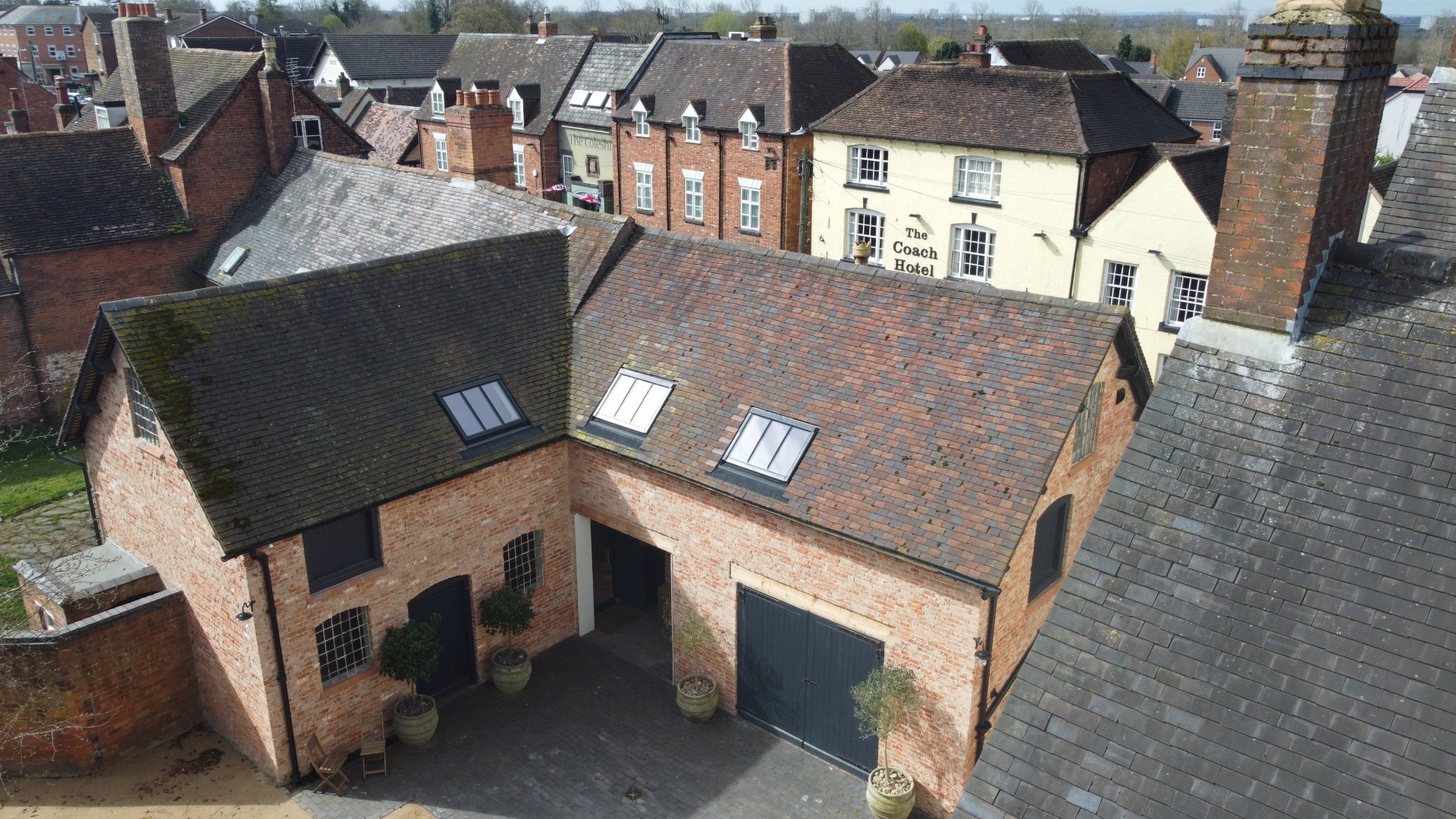
Conservation roof windows are designed to blend into heritage roofs rather than stand out. These windows use traditional cues to keep the roofscape visually calm, even after modern glazing is introduced.
Typically, the detailing includes a glazing bar, slimmer external profiles and a recessed installation so the window sits closer to the roof covering. Recessing reduces visual prominence and helps the window feel like part of the roof rather than an added feature.
In heritage contexts, subtlety is key. The aim is to gain daylight and ventilation inside without the exterior appearing noticeably new or out of place.
Why FAKRO Conservation Windows Are the Architect’s Choice
Architects working with protected buildings tend to prioritise two things that do not always sit comfortably together: appearance and performance. They need solutions that respect heritage aesthetics while also meeting modern expectations for comfort, durability and compliance.
FAKRO’s conservation range is often specified because it addresses both sides of the brief. The external styling supports heritage rooflights, while the engineering focuses on everyday usability and long-term reliability. In refurbishment work, that combination matters, not least because once a window is in the roof, nobody wants to revisit the job.
Balancing Heritage Aesthetics with U-Value Efficiency
There is a common assumption that “heritage” means compromising on performance, but glazing technology has moved on. Conservation-style roof windows can now deliver strong thermal efficiency without altering the traditional proportions that planners care about.
This is particularly important in loft conversions, where heat loss is more noticeable, and comfort upgrades must not alter the roof’s visible character. The key is to treat the window as part of the building envelope, considering its performance alongside insulation and ventilation.
V40P Automatic Air Inlet – Ventilation in Older Properties
Ventilation can be the silent deal-breaker in older homes. Improve airtightness without a ventilation strategy, and you may end up with condensation, stale air and damp patches in the very space you have just invested in. This is not a rare problem; it is common in attic conversions, where warm, moist air rises.
The V40P Automatic Air Inlet is designed to support controlled ventilation without being an eyesore. For older properties, that matters. You gain a practical improvement in airflow while keeping external changes to a minimum, which helps when a project is under heritage scrutiny. In short, it is ventilation that does its job without drawing attention to itself.
Installation Best Practice in Heritage Roofs
Even the best product can look wrong if it is installed without care. Heritage roofs often feature slate or traditional tiles, and the workmanship around flashings and finishes is highly visible, sometimes from the street and sometimes from neighbouring upper floors.
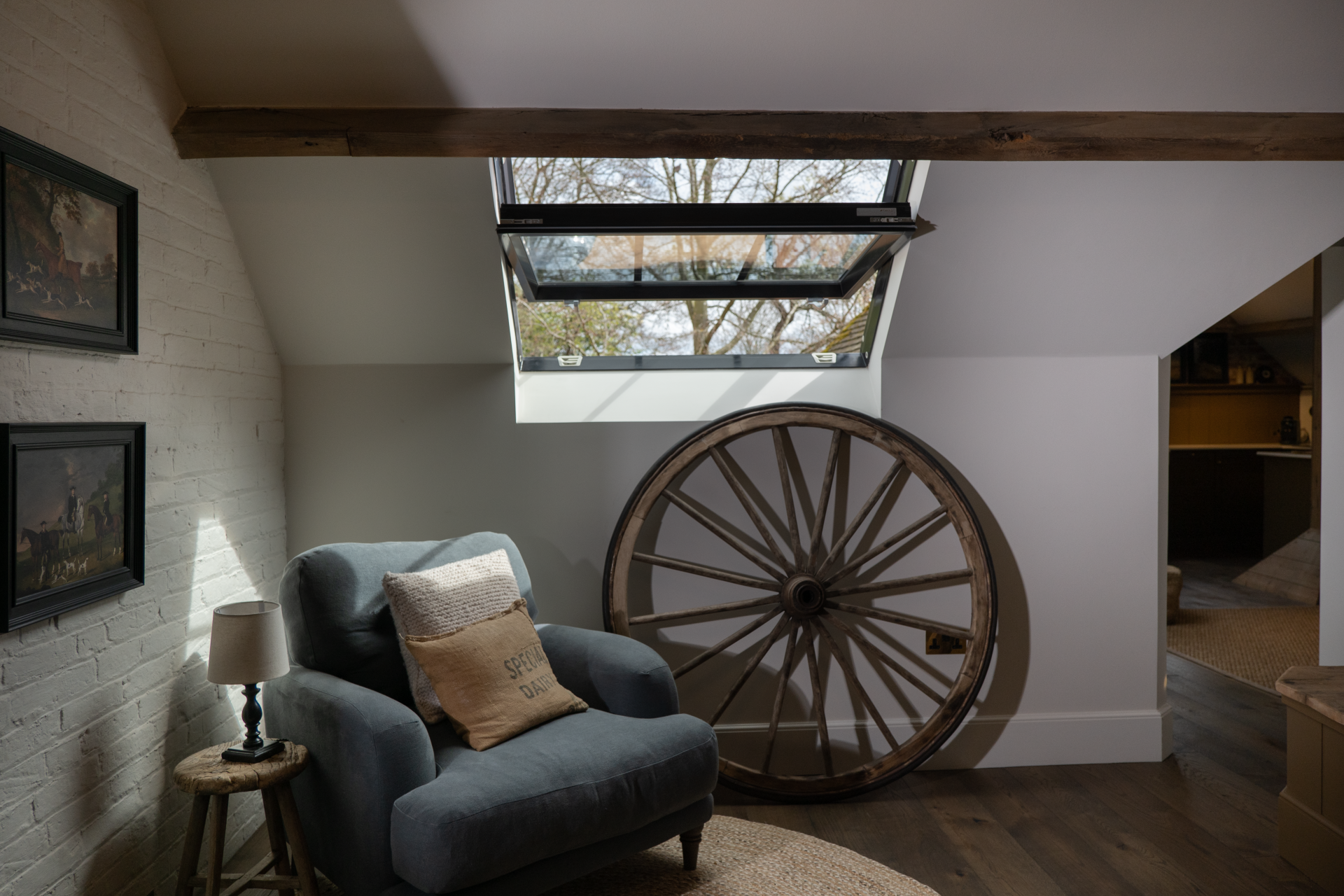
Recessed installation is frequently recommended for conservation projects because it reduces the “raised” look that can make roof windows feel modern and prominent. Alignment matters too. A roof window that is slightly out of rhythm with the roofline can look accidental, even if everything else is correct.
Small details add up: neat slate cutting, clean lines around the frame, and careful integration with existing roof coverings. On many projects, the difference between an accepted scheme and a criticised one lies not in the window itself, but in the quality of the finish.
If you are planning a heritage project, it is worth using installers with experience of older roofs, not just standard new-build installations.