FAKRO Roof Access Windows: A Guide to Installation and UK Legal Requirements
Roof openings designed for safe access rarely attract much attention until the moment they are genuinely needed. Whether it is routine roof maintenance, clearing gutters, checking solar panels, or accessing a converted loft safely, having a dependable access point quickly becomes essential - a reality often overlooked during roof window installation projects in the UK.
As loft spaces are increasingly treated as functional rooms rather than simple storage voids, roof access solutions often play a far broader role than homeowners initially expect. Choosing the right option is therefore not just about convenience; it is about safety, regulatory compliance and long-term usability. Understanding how access-focused roof openings differ from standard roof lights, how they align with UK legal requirements, and how they should be installed helps prevent costly mistakes later in the project.
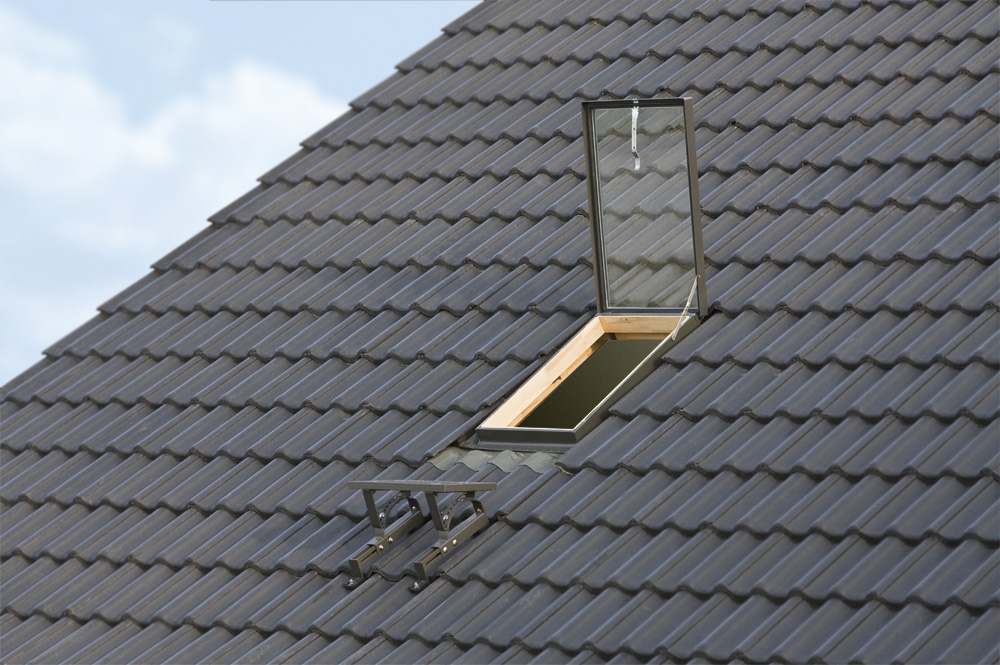
Why Roof Access Windows Are Essential for UK Homes
Across the UK, lofts have evolved from forgotten spaces into integral parts of the home. They may house heating systems, provide valuable storage, or be fully converted into living accommodation. All of these uses require safe, predictable access.
A well-specified roof access window supports both everyday practicality and long-term building safety. It provides a controlled route onto the roof without relying on ladders or temporary solutions, while also improving daylight and ventilation at upper levels. When carefully selected, a dedicated roof access solution can even enhance thermal performance rather than undermine it.
For many households, the key benefit is peace of mind. Knowing that roof access is safe, compliant and easy to use makes ongoing maintenance less stressful and significantly reduces the risks associated with working at height.
The Difference Between Roof Lights, Access Windows and Escape Windows
Although roof lights, access windows and escape windows may appear similar from the outside, they serve very different purposes. A standard roof light is primarily intended to introduce daylight and ventilation, whereas access windows are specifically designed to allow safe physical movement onto the roof for inspection and maintenance.
Escape windows, meanwhile, are governed by emergency escape regulations, which set minimum requirements for opening size, positioning and ease of operation, particularly in loft conversions used as habitable rooms. Confusing these categories can lead to compliance issues or expensive alterations later on, which is why clear specification from the outset is essential.

Natural Light and Energy Efficiency: The Impact on Interiors
Introducing roof glazing can dramatically transform how an upper floor feels. Natural daylight reduces reliance on artificial lighting and improves the perceived size and usability of a space. When paired with strong U-value performance, a roof access window can support overall thermal efficiency rather than compromise it.
Modern glazing solutions balance daylight with insulation, ensuring that improved access does not come at the expense of comfort or increased heating costs. This balance is particularly important in loft conversions, where heat loss is often more noticeable.
Navigating UK Building Regulations: What You Must Know
UK building regulations apply differently depending on whether a roof window is intended for access, escape or ventilation. In many cases, compliance depends more on how the window is used than how it looks.
For loft conversions, safety and accessibility are closely scrutinised. The opening method, size and location must align with current standards, particularly where access is frequent or where escape routes are required. Understanding these distinctions early helps avoid delays during inspections and prevents the need for redesigns later in the project.
It is also important to consider how installation affects the wider roof structure. Insulation continuity, load paths and weatherproofing all influence compliance and long-term performance, not just the window itself.
Choosing the Right FAKRO Roof Access Window
Selecting the correct roof access solution involves more than simply matching dimensions. Opening type, glazing specification and hardware all influence ease of use and safety. Decisions such as top-hung versus centre-pivot operation can significantly affect how easily the window can be used for access, particularly on steeper roof pitches.
FAKRO roof access windows combine robust construction with smooth, controlled operation, allowing safe access without compromising internal comfort. Compatibility with flashing systems and roof coverings is equally important, as these details play a critical role in long-term weather resistance and durability.
When planning a project, reviewing roof access solutions alongside the wider range of roof windows helps ensure the chosen product aligns with both regulatory requirements and practical needs.
Step-by-Step Installation Guide: Best Practice
Installation is often the decisive factor in how a roof access window performs over time. Even a well-specified product may fall short if it is not properly integrated into the roof structure. In the UK climate, where roofs are exposed to wind-driven rain, temperature fluctuations and prolonged moisture, careful detailing during installation is essential.
Access-focused openings must connect accurately with rafters, insulation layers and external roof coverings. Each interface influences both structural stability and weather resistance. A dedicated flashing kit plays a critical role, directing water away from the opening and preventing moisture ingress. Precise alignment also matters. A window installed slightly out of square may appear functional initially but can develop uneven wear, stressed seals or visible gaps over time.
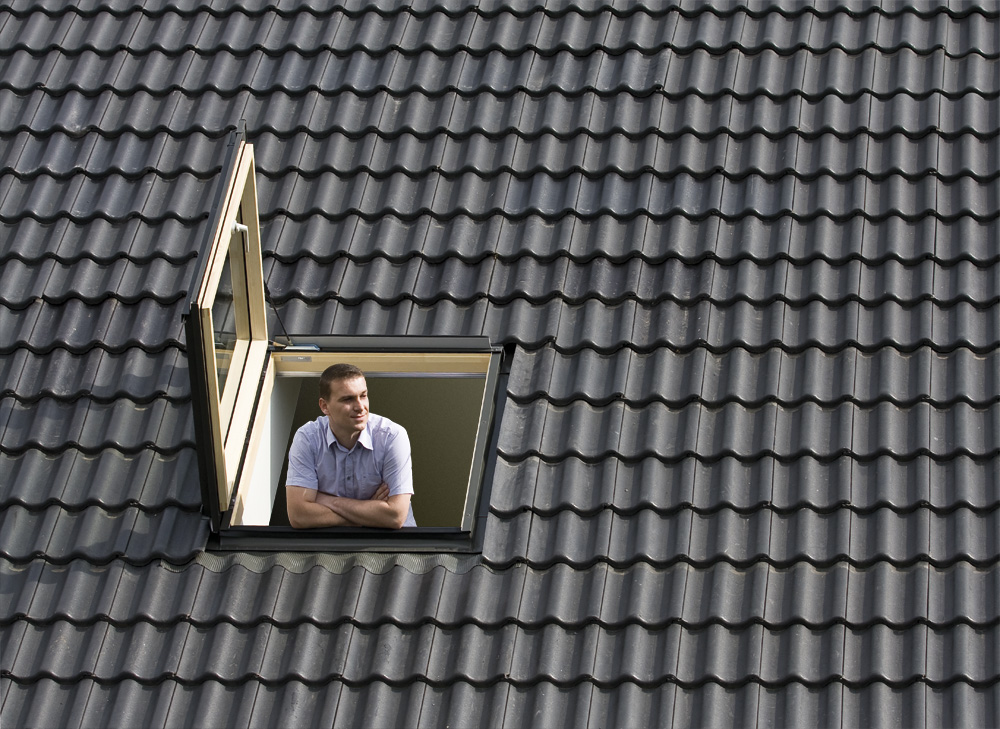
In loft conversions, recessed installation is often recommended. Positioning the window deeper within the roof build-up improves insulation continuity, reduces cold bridging and softens the visual impact internally. It can also deliver practical benefits, such as increased usable headroom, which often becomes apparent once the space is in everyday use.
Maintenance and Longevity of Your Roof Window
When installed correctly, a roof access window should require minimal maintenance. There is no need for complex servicing routines or specialist intervention.
In practice, small operational changes are worth monitoring. Increased resistance when opening or hardware that feels less smooth than before is often an early sign that adjustment is needed, rather than an indication of a serious fault.
For homeowners planning future upgrades, it is worth assessing how the access solution performs in daily use, not just on specification sheets but in real conditions over time. Exploring the wider range of roof access windows helps ensure roof access remains practical, reliable and easy to use long after installation.