uPVC vs Wooden Roof Windows: Which Solution Is Best for Your Home?
Choosing between uPVC and wooden roof windows is about far more than appearance alone. Comfort, energy efficiency, long-term maintenance, and the overall feel of your home all play a role. Both materials have distinct advantages, and the choice you make can influence not only how each room looks and feels, but also your property’s value over time.
In this guide, we break down the key differences to help you choose the right roof windows for your home, lifestyle, and budget with confidence.
At a Glance: Key Differences Between uPVC and Wooden Roof Windows
At first glance, uPVC and wooden roof windows can appear surprisingly similar. With modern glazing and streamlined designs, both can look sleek and contemporary. However, beneath the surface, the materials perform very differently.
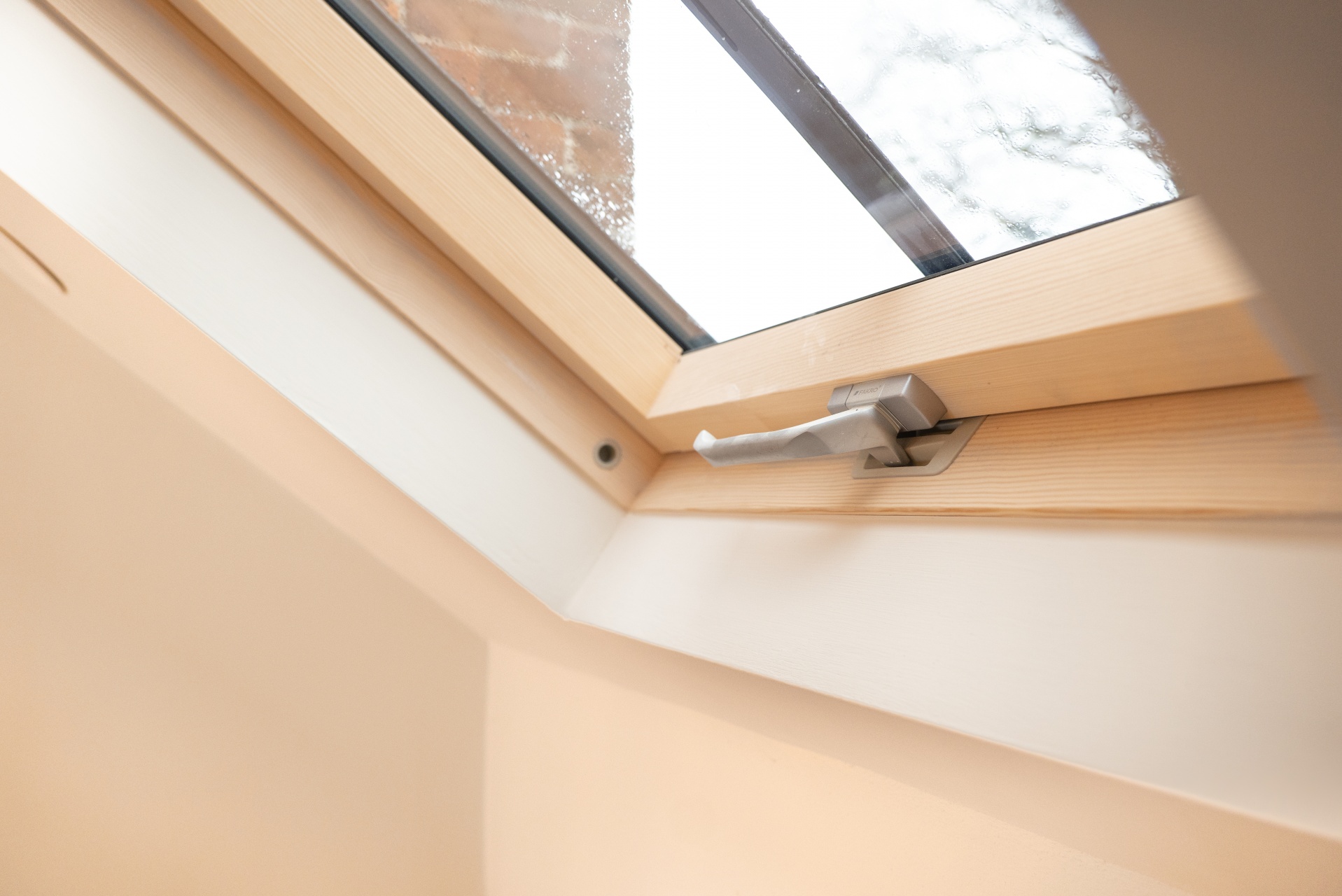
Wooden roof windows offer a natural warmth and depth that synthetic materials struggle to replicate. Typically crafted from solid timber such as pine or oak, they are finished with protective paint or lacquer. The visible woodgrain and organic tones make them especially popular in traditional homes, rustic interiors, and spaces inspired by Scandinavian design. Their presence feels authentic, adding both character and functionality to upper-floor rooms.
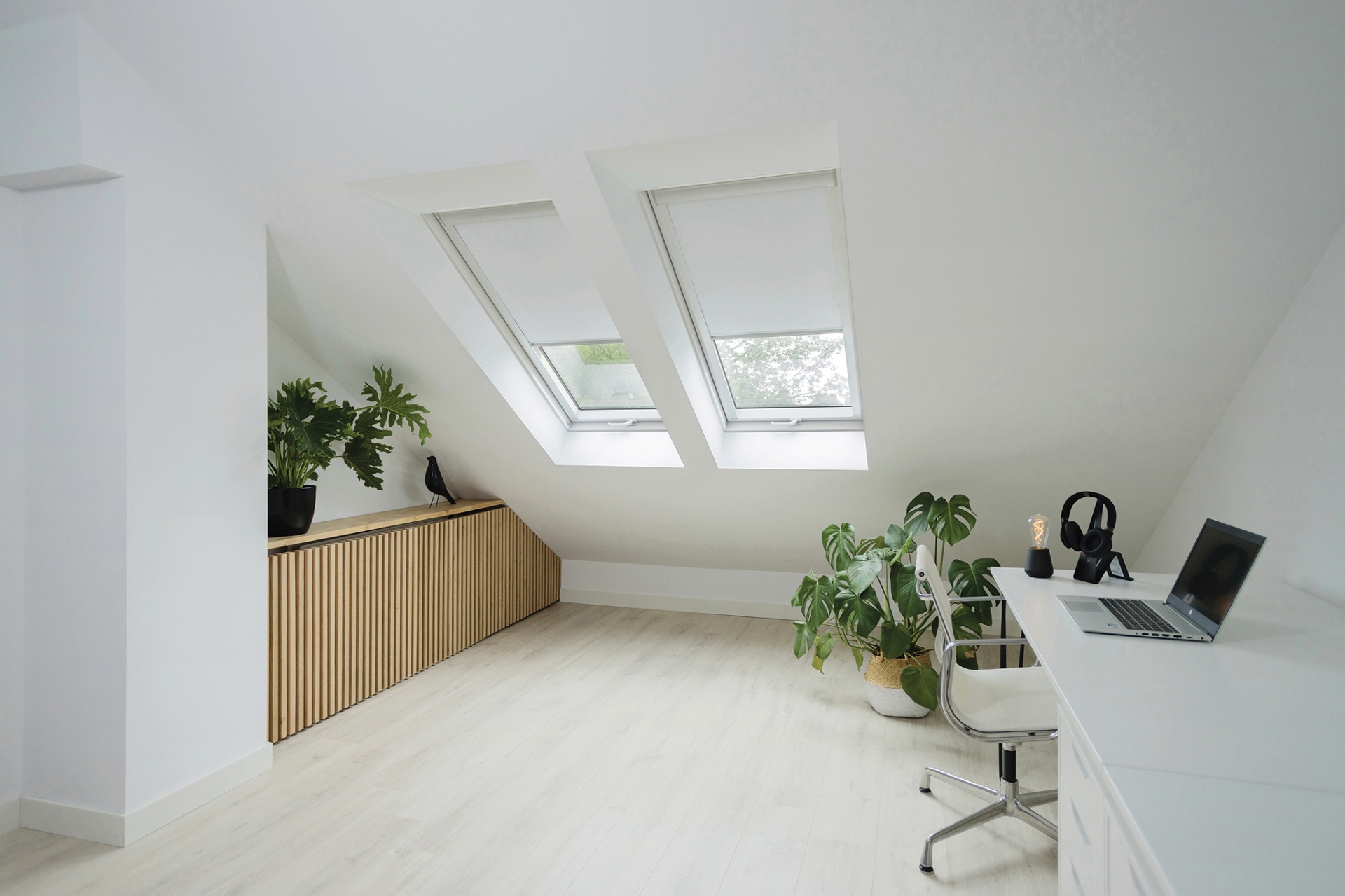
uPVC roof windows, on the other hand, are manufactured from robust, weather-resistant plastic. With smooth surfaces and crisp lines, they suit modern interiors where clean design and practicality are priorities. Their resistance to moisture makes them particularly well suited to kitchens, bathrooms, and other high-humidity areas.
A Closer Look at Wooden Roof Windows: A Natural Choice
If you value natural materials and timeless craftsmanship, wooden roof windows may be the perfect fit for your home. They blend seamlessly into warm, inviting interiors, from cosy loft bedrooms to heritage properties.
Wood is a natural insulator, offering excellent thermal performance when paired with double or triple glazing. This can help regulate indoor temperatures and reduce energy bills over time. Timber is also an environmentally responsible choice, as it is renewable (when harvested sustainably) and biodegradable.
That said, wooden windows do require regular care. Periodic repainting or resealing is essential, particularly in areas exposed to strong sunlight or higher humidity. With proper maintenance, however, timber roof windows can last for decades and age beautifully.
The Rise of Modern uPVC Roof Windows: Practical and High-Performing
uPVC roof windows have evolved significantly, leaving behind outdated perceptions of plastic frames. Today’s designs combine smart engineering with everyday convenience, making them a reliable option for many homes.
Highly resistant to moisture, mould, and pests, uPVC performs exceptionally well in kitchens, bathrooms, and utility rooms. Maintenance is minimal; a simple wipe-down is usually all that’s required. This makes uPVC a popular choice for busy households, landlords, or anyone seeking a low-effort solution.
Thanks to modern manufacturing techniques, uPVC roof windows now deliver impressive insulation, long-lasting colour stability, and strong resistance to harsh weather conditions. If you’re looking for a sleek, low-maintenance option, explore our uPVC pivot roof windows, available in a range of styles and finishes.
How to Choose: Key Factors to Consider
The right choice between uPVC and wooden roof windows depends on several important factors.
Style plays a major role. Timber naturally complements traditional and character properties, adding warmth and texture, while uPVC’s clean lines suit modern and minimalist interiors.
Room conditions are also crucial. In humid environments such as bathrooms and kitchens, uPVC is often the better option due to its moisture resistance and ease of cleaning.
Maintenance is another consideration. Wooden windows require occasional repainting or varnishing, whereas uPVC needs little more than routine cleaning.
If sustainability is a priority, timber stands out as a renewable and biodegradable material. Finally, cost can influence your decision. uPVC roof windows are generally more affordable upfront, while wooden windows may cost more initially but offer lasting appeal and can enhance long-term property value.
Room by Room: Choosing the Right Window for Each Space
Different rooms place different demands on roof windows:
-
Bathroom – High humidity makes uPVC the practical choice, as it won’t warp or deteriorate.
-
Loft or attic bedroom – Timber frames create a warm, cosy atmosphere ideal for sleeping spaces.
-
Kitchen – With steam and splashes to consider, easy-clean uPVC is often the best option.
-
Living room – Both materials work well here; your choice can be guided purely by interior style.
A simple rule of thumb: choose timber where aesthetics and atmosphere matter most, and uPVC where durability and ease of maintenance are key.
Energy Efficiency Explained: Why U-Values Matter
When it comes to comfort and energy bills, U-values are essential. They measure how effectively a window retains heat; the lower the U-value, the better the insulation.
Wooden roof windows can deliver excellent energy efficiency when combined with high-quality glazing and frame treatments. Meanwhile, modern uPVC roof windows perform just as well, and in some cases even better, when fitted with advanced glazing systems.
Always check energy ratings before purchasing, particularly if you’re renovating an older property or planning a loft conversion.
Creating a Cohesive Look for Your Home
Roof windows should complement your home’s overall design. Beyond material choice, consider colour, frame finish, and matching accessories.
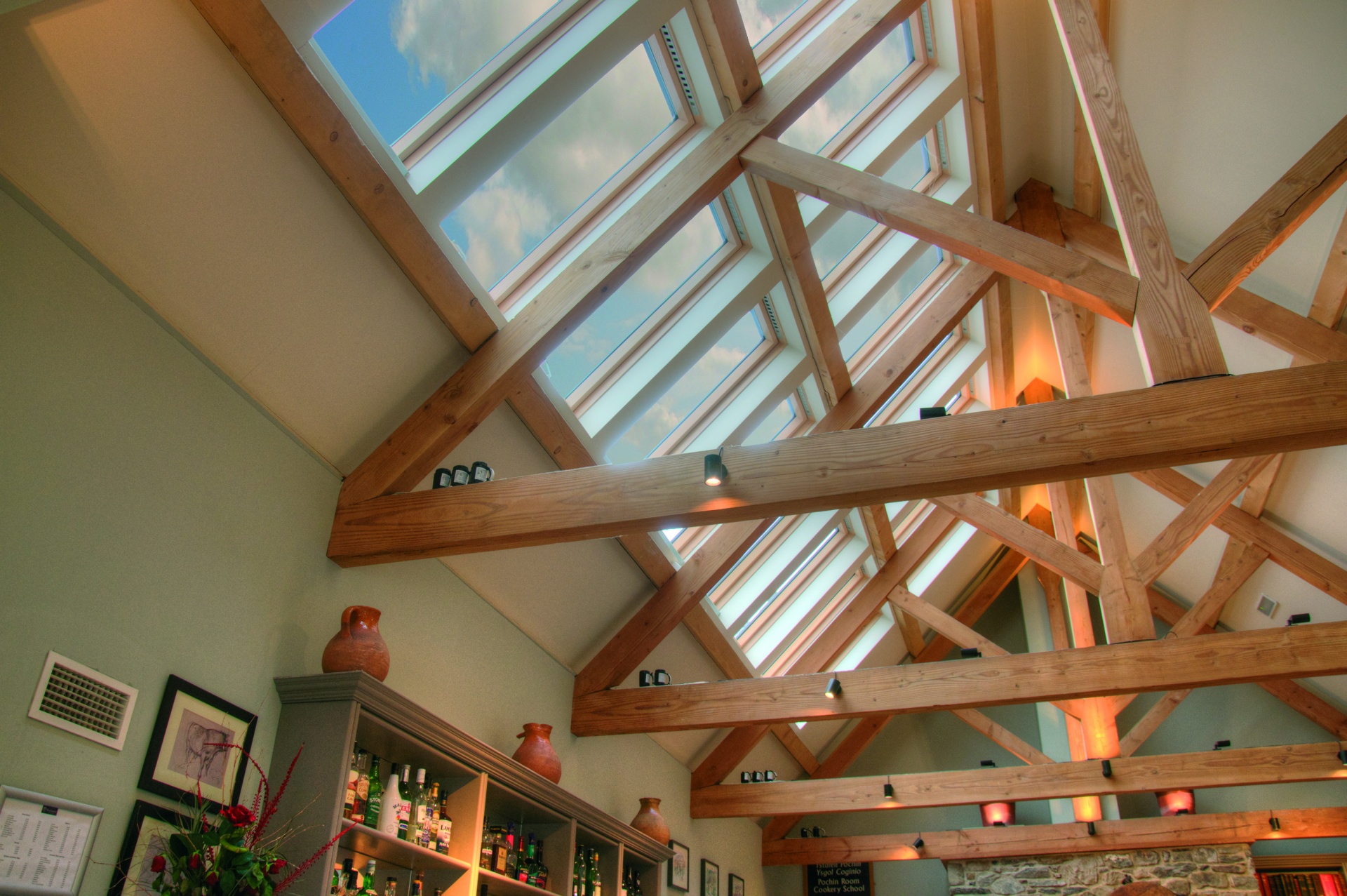
Timber windows suit interiors with exposed beams, stone walls, or period features, adding depth and texture. uPVC windows, with their minimalist aesthetic, work beautifully in modern homes, sleek kitchens, and contemporary extensions.
The FAKRO Advantage
Whether you choose timber or uPVC, FAKRO roof windows are designed to deliver outstanding performance. Our products offer excellent airtightness, low U-values, and robust construction, all compliant with UK building regulations.
With a wide range of customisation options, including glazing types and opening mechanisms, you can tailor your windows to suit both your design preferences and practical needs. Backed by expert support and strong warranties, FAKRO windows are a reliable long-term investment.
Ready to Transform Your Space?
Still weighing up the warmth of wooden roof windows against the durability of uPVC options? You’re not alone. There’s no universal answer, only the solution that best fits your home.
Think about how each room is used, how much maintenance you’re prepared to take on, and which material best reflects the character of your space.
If you’d like expert guidance, contact FAKRO or one of our certified partners. They’ll help you explore your options and find a roof window that doesn’t just fit your home, but enhances it.